
甲状腺癌康复期旅游散心,中医说“移情易性”,换个环境换种心情
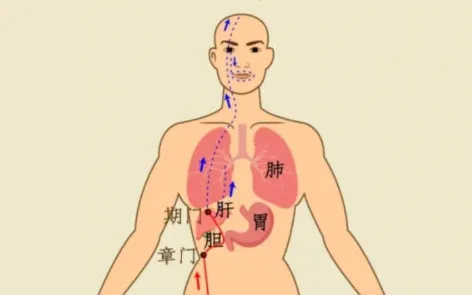
很多甲状腺癌患者术后长期困在熟悉的生活环境里,每天绕着病情打转。总忍不住琢磨结节、复查指标,心里悬着一块石头,忧愁烦闷无处排解。颈部属肝经循行之地,长期肝气郁结,气机卡在颈前,便容易咽喉异物感、胸闷烦躁、失眠多梦。即便按时服药调理,郁结的情绪得不到疏散,症状总是反反复复。
中医讲“移情易性”,就是通过变换环境转移心念,解开内在郁滞。肝主疏泄,久居一处,思虑反复盘旋,情志容易钻牛角尖。走出日常的生活场景,山水风物能够分散内心执念,紧绷的肝气慢慢舒展。这里所说的旅游,不等于长途奔波、赶景点打卡,核心在于心境的转换,让郁结已久的气机得以疏通。
不少患者对待出游常有两种误区。一部分人出行安排满满当当,早出晚归赶路,爬山暴走,体力透支,耗伤气血,旅游归来反而疲惫乏力;还有一部分人因为害怕劳累,彻底打消出门念头,常年闭门居家,负面情绪不断堆积,肝郁越来越重。
长期气机郁滞会形成恶性循环。情志郁结,肝气不得疏泄,颈前气机壅堵,咽喉发堵、心烦失眠时常发作;身体的不适感又放大内心焦虑,越发不敢外出走动,陷入自我封闭。
我跟她讲明调养思路,疏肝调气,药治其内,情治其外。内服方药以疏肝理气、柔肝散结为主,外出散心是生活层面的情志疗法。同时给到三点出游的注意事项。
第一,慢游优先,拒绝赶路。避开行程紧凑的跟团游,选择节奏舒缓的短途旅居。不必打卡多个景区,可以挑一处安静小镇、湖边民宿小住几日。睡到自然醒,闲时散步观景,把节奏交给自己,不以游览多少景点为目标。
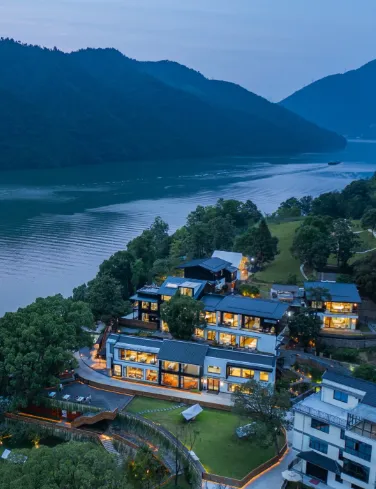
第二,出行选对时节与地点。优先气候温和舒适的季节出行,避开酷暑、严寒。少去高原、深山等需要长途跋涉的地方。海边、湖边、山林平地都是不错选择,清风草木最能舒缓肝郁。出行随身备好常用物品,不要勉强自己。
第三,出游重在心念转移。放下对指标、结节的过度思虑,把注意力放在眼前风景。和家人结伴同行,闲谈散心,少翻看疾病相关资讯。返程之后,把这份松弛的心境带回日常生活,不要一回家立刻重陷焦虑。

调理两个多月复诊,她选了近郊民宿小住三日,慢慢体会慢节奏旅居。心里压抑感消散,咽喉异物感减轻,睡眠安稳许多,郁滞的脉象渐渐平和。
甲状腺癌长期康复,散结先要疏肝,疏肝贵在调心。适度出游,移情易性,跳出固有的焦虑环境,肝气舒展,气血调畅。身心双向调养,才能稳稳走好康复长路。
(注:内容仅作为参考,不具备诊断性,如有不适,请即时就医;因个体差异和病机差别,组方必须在中医师辨证指导下来借鉴和应用。)
预约请点击图片小程序
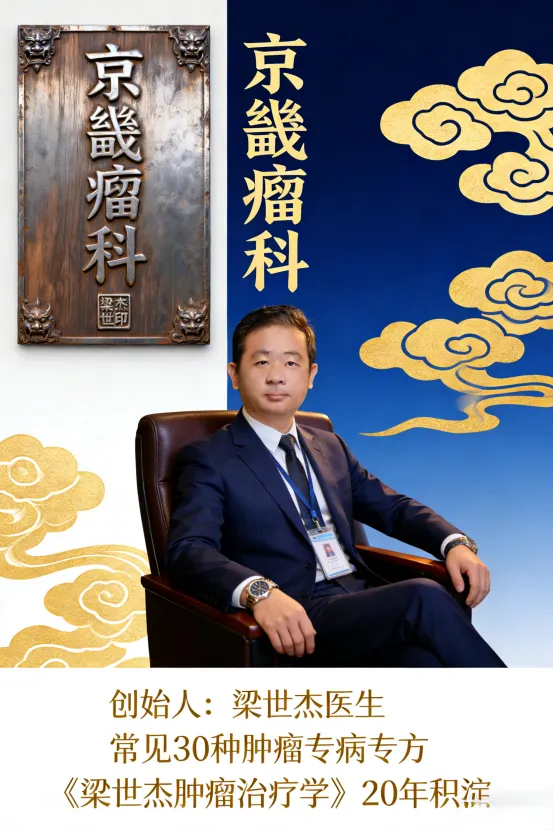
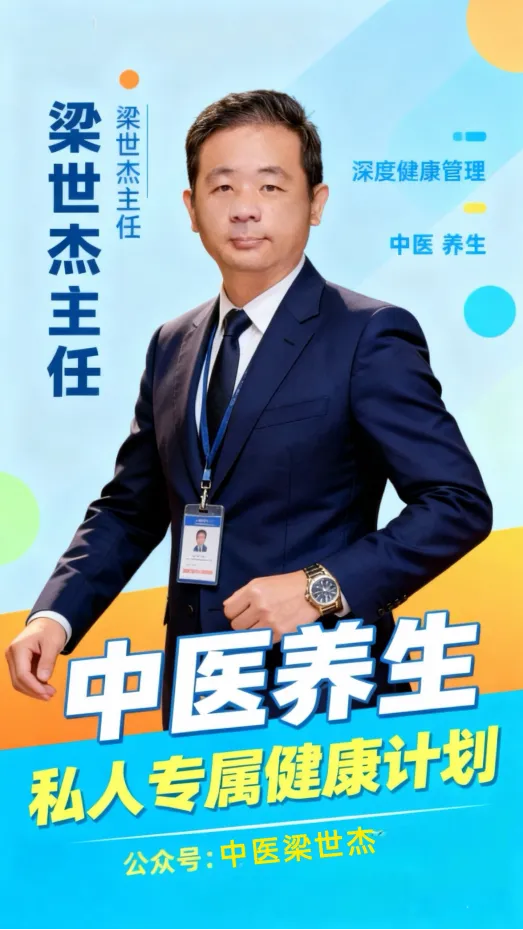
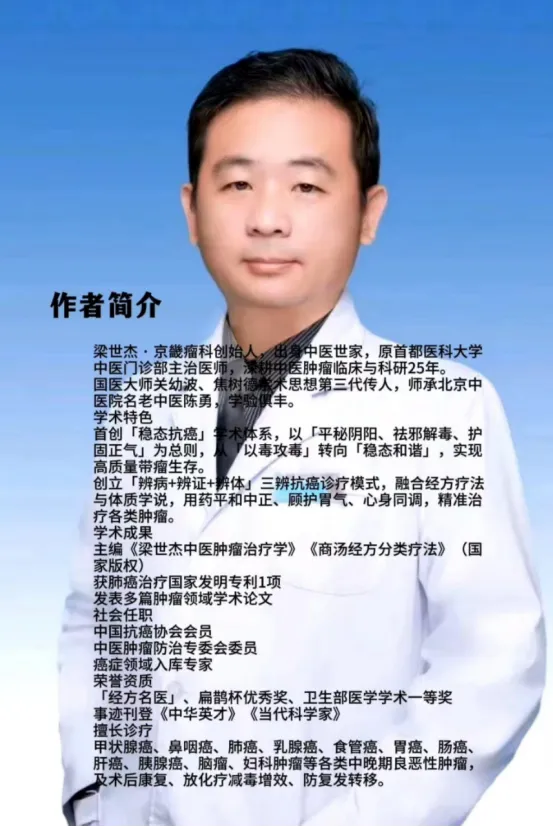
作者简介:梁世杰,京畿(ji)瘤科创始人,出身中医世家,原首都医科大学中医门诊部主治医师,毕业于河北医科大学,深耕中医肿瘤临床与科研25年。为国医大师、肝病泰斗关幼波,风湿病泰斗焦树德学术思想第三代传人,师承首都医科大学附属北京中医院肝病科知名老中医陈勇,侍诊研习多年,尽得真传,学验俱丰。
一、学术思想与诊疗特色
作为中医肿瘤领域体系化创新学者,首创“稳态抗癌”核心学术体系,提出从“以毒攻毒”向“稳态和谐”范式转型,以“平秘阴阳、祛邪解毒、护固正气”为治疗总则,立足《黄帝内经》“正气存内”理念,明确肿瘤为全身失衡的局部显现,通过调理脏腑气血、改善“癌状态”体质、切断肿瘤微环境,实现高质量带瘤生存,为中晚期肿瘤治疗确立“以人为本、生命优先”的价值导向。
临床构建“辨病+辨证+辨体”三辨精准诊疗模式,融合抗癌专病专方与“商汤经方分类疗法”、关幼波十纲辨证与焦树德学术思想,创新“易学中医辩证哲学思维模式”及象数五行体质应用;用药恪守平和中正、攻补兼施、顾护胃气原则,坚持全周期协同治疗、心身同调,实现个体化、低损伤、长获益的肿瘤诊疗目标。
二、学术与科研成果
主编专著:《梁世杰中医肿瘤治疗学》《商汤经方分类疗法》,均获国家版权登记;
发明专利:“三花五子六白散”治疗肺癌国家发明专利1项;
学术论文:发表《古方青龙丸治疗中晚期肺癌20例》等多篇肿瘤领域高价值学术论文。
三、学术任职
中国抗癌协会会员
卫生部中国医促会中医肿瘤防治专委会委员
中国药文化研究会中医药慢病防治分会首批癌症领域入库专家
四、荣誉与影响力
先后荣获第八届医圣仲景南阳论坛“经方名医”、首届京津冀“扁鹊杯”燕赵医学征文优秀奖、卫生部全国医学学术一等奖。学术事迹荣登《中华英才》《当代科学家》等权威期刊,是国内中医肿瘤领域理论体系完整、学术特色鲜明、临床疗效确切的实力派专家。
五、擅长诊疗范围
甲状腺癌、鼻咽癌、肺癌、肺结节、乳腺癌、食管癌、胃癌、萎缩性胃炎、肠化生、肠癌、肝癌、胰腺癌、肾癌、膀胱癌、前列腺癌、淋巴瘤、脑瘤、宫颈癌、卵巢癌等各类中晚期良恶性肿瘤,及术后康复、放化疗减毒增效、防复发转移等疑难病症。
"Traveling for Relaxation During Thyroid Cancer Recovery: Traditional Chinese Medicine Advocates 'Shifting Emotions and Transforming Temperament'—Changing Your Environment to Change Your Mood."
A 58-year-old woman recovering from thyroid cancer entered and said she wanted to travel but feared exhaustion. I took her pulse and detected qi stagnation. "Changing your environment and mood is 'shifting emotion and transforming nature.' It's not about hiking through mountains and rivers; it's about adopting a different way of living. Choose a relaxed place, stay for a few days, enjoy the scenery, and as your mood improves, so will your health."
Many patients with thyroid cancer remain confined to their familiar living environment for long periods after surgery, constantly revolving around their illness. They find themselves unable to stop worrying about nodules and follow-up test results, carrying a heavy burden in their hearts with no outlet for their sorrow and frustration. The neck is the pathway of the liver meridian; prolonged stagnation of liver qi causes qi to become trapped in the anterior neck, leading to sensations of a foreign body in the throat, chest tightness, irritability, insomnia, and vivid dreams. Even with regular medication and regulation, if emotional stagnation is not released, symptoms tend to recur repeatedly.
In Traditional Chinese Medicine, the concept of "shifting emotions and transforming one's nature" refers to changing one's environment to redirect the mind and release internal stagnation. The liver governs the free flow of qi; when one remains in the same place for too long, repetitive thoughts can lead to emotional fixation. Stepping out of daily routines and immersing oneself in mountains, rivers, and natural scenery helps dissolve mental attachments, allowing the tense liver qi to gradually relax. The travel described here does not mean long journeys or rushing from one tourist spot to another; rather, its essence lies in transforming one's state of mind, thereby unblocking the qi that has been constricted for a long time.
Many patients hold two common misconceptions about traveling. Some pack their itineraries too tightly, rushing from dawn to dusk, climbing mountains and walking excessively, which leads to physical exhaustion and depletion of vital energy; as a result, they return from their trips feeling more fatigued and weak. Others, fearing fatigue, completely abandon the idea of going out, staying indoors year-round, allowing negative emotions to accumulate and causing increasing liver qi stagnation.
Prolonged stagnation of qi can create a vicious cycle. Emotional distress leads to the liver's qi failing to flow freely, causing congestion in the qi mechanism at the front of the neck. This results in frequent sensations of throat tightness, irritability, and insomnia. The physical discomfort further amplifies inner anxiety, making one increasingly reluctant to go outside, ultimately leading to self-isolation.
I explained to her the approach to recovery: soothing the liver and regulating qi, treating the interior with herbal medicine and addressing the exterior through emotional care. The internal formula focuses on soothing the liver, regulating qi, softening the liver, and dispersing nodules, while going out to enjoy nature serves as an emotional therapy at the lifestyle level. I also provided three key precautions for her outing.
First, prioritize slow travel and reject rushing through itineraries. Avoid tightly scheduled group tours; instead, opt for relaxed, short-term stays. There's no need to check off multiple attractions. Choose a quiet town or a lakeside guesthouse and spend a few days there. Wake up naturally, stroll leisurely to enjoy the scenery, and let yourself set the pace—without making the number of sights visited the goal.
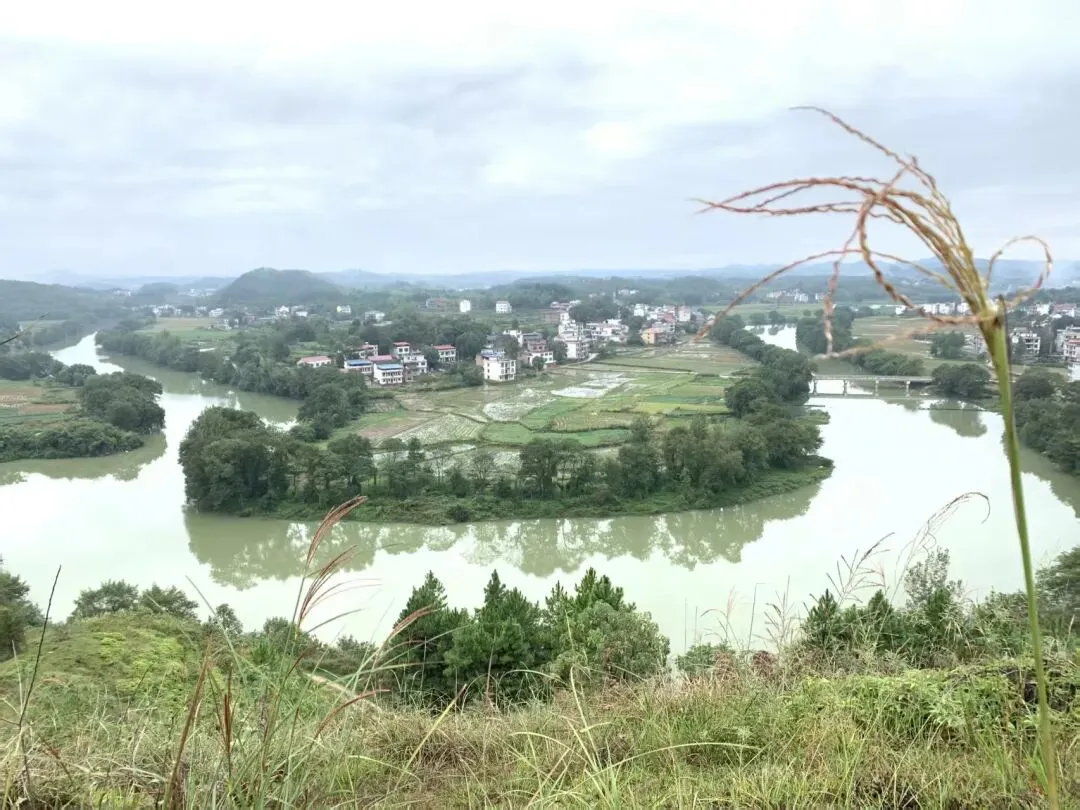
Second, choose the right time and place for travel. Prioritize seasons with mild and comfortable weather, avoiding extreme heat or cold. Minimize trips to high-altitude regions or deep mountains that require long journeys. Coastal areas, lakesides, and flat forested lands are excellent choices; the gentle breeze and lush vegetation best help alleviate liver stagnation. When traveling, pack essential items and avoid pushing yourself beyond your limits.
Third, the essence of traveling lies in shifting one's mindset. Let go of excessive worry about medical indicators and nodules, and instead focus on the scenery before your eyes. Travel with family, engage in casual conversation to relax, and minimize checking disease-related information. After returning, bring this sense of calm back into daily life; avoid immediately falling back into anxiety as soon as you arrive home.
After more than two months of treatment and a follow-up visit, she chose to stay for three days in a countryside homestay, gradually experiencing the leisurely pace of a slow-travel lifestyle. Her sense of inner oppression has dissipated, the sensation of a foreign body in her throat has lessened, her sleep has become much more restful, and her previously stagnant pulse has gradually returned to a balanced state.
For long-term recovery from thyroid cancer, resolving nodules begins with soothing the liver, and the key to soothing the liver lies in calming the mind. Engage in moderate travel to shift your focus and transform your mindset, stepping away from entrenched environments of anxiety. This allows the liver qi to flow freely and the blood and qi to circulate smoothly. Only through dual cultivation of both body and mind can one steadily progress along the long journey of recovery.
(Note: The information provided is for reference only and is not diagnostic. If you experience any discomfort, please seek medical attention immediately. Due to individual differences and variations in disease mechanisms, the formulas must be used and adapted under the guidance of a traditional Chinese medicine practitioner.)
Author profile: Liang Shi-jie, the founder of the Jingyi Tumor Clinic, hails from a family of traditional Chinese medicine practitioners. He was a chief physician at the Traditional Chinese Medicine Outpatient Clinic of the former Capital Medical University. He graduated from Hebei Medical University and has devoted 25 years to clinical practice and research in traditional Chinese medicine oncology. He is the third generation of the academic lineage of Guan You-bo, a master of traditional Chinese medicine and a renowned expert in liver diseases, and Jia Shu-de, a master of rheumatology. He studied under Chen Yong, a well-known elderly traditional Chinese medicine practitioner in the liver disease department of Beijing Traditional Chinese Medicine Hospital affiliated to the Capital Medical University. He has gained extensive knowledge and experience through many years of study and practice.
I. Academic Thought and Diagnostic/Therapeutic Specialties
As a scholar specializing in systematized innovation in the field of traditional Chinese medicine oncology, I pioneered the core academic system of “steady state anti-cancer.” I proposed a transition from the paradigm of “using poison to counter poison” to “steady state harmony,” with the general principles of “balancing Yin and Yang, eliminating evil and detoxifying, and protecting and reinforcing healthy qi.” Grounded in the concept of “healthy qi resides within” from the Huangdi Neijing, I clarified that tumors are localized manifestations of overall imbalance. By regulating the qi and blood of internal organs, improving the “cancer state” constitution, and disrupting the microenvironment of tumors, we can achieve high-quality survival with a tumor present, thereby establishing a value orientation of “people-centeredness and prioritizing life” for the treatment of advanced and late-stage tumors.
Clinical construction of the “diagnosis + syndrome differentiation + constitution identification” three-step precise diagnosis and treatment model, integration of cancer-specific treatments and “Shang Tang classic prescription classification therapy,” Guan Youbo’s ten-category syndrome differentiation method, and Jiao Shude’s academic thoughts, innovation of the “easy-to-learn traditional Chinese medicine dialectical philosophical thinking mode” and the application of symbolic number and five-element constitution; adhering to the principles of moderation and balance, combining attack and supplementation, and protecting the stomach qi, maintaining comprehensive and coordinated treatment throughout the entire cycle, balancing mind and body, and achieving personalized, low-injury, and long-term benefits in cancer diagnosis and treatment.
II. Scholarly and Research Achievements
Co-authored monographs: “Liang Shi-jie’s Traditional Chinese Medicine for Cancer Treatment” and “Shang Tang’s Classification Therapy Based on Classical Prescriptions”; both have been registered for national copyright protection.
Patent for invention: One national patent for the invention of “Sanhua Wu Zi Li Bai San” for the treatment of lung cancer.
Academic Papers: Published numerous high-value academic papers in the field of oncology, including “The Treatment of 20 Cases of Advanced-Stage Lung Cancer with Ancient Formula Qinglong Pill.”
III. Academic Positions
Member of the Chinese Cancer Association.
Member, Expert Committee on Traditional Chinese Medicine Cancer Prevention and Treatment, China Medical Promotion Association, Ministry of Health.
First-batch cancer-related experts inducted into the Chinese Traditional Medicine Prevention and Treatment of Chronic Diseases Branch of the Chinese Pharmaceutical Culture Research Association.
IV. Recognition and Influence
He has been awarded the title of “Expert in Traditional Medicine” at the Eighth Symposium of the Medicine Saint Zhongniang of Nanyang, the Outstanding Award for Medical Writing at the First Beijing-Tianjin-Hebei “Bian Que Cup” Symposium on Yan-Zhao Medicine, and the First Prize for Medical Scholarship by the Ministry of Health. His academic achievements have been featured in prestigious journals such as “China’s Elite” and “Contemporary Scientists.” He is a highly respected expert in the field of traditional Chinese medicine oncology, known for his comprehensive theoretical framework, distinctive academic characteristics, and proven clinical efficacy.
V. Areas of Expertise
Thyroid cancer, nasopharyngeal cancer, lung cancer, pulmonary nodules, breast cancer, esophageal cancer, gastric cancer, atrophic gastritis, intestinal metaplasia, intestinal cancer, liver cancer, pancreatic cancer, kidney cancer, bladder cancer, prostate cancer, lymphoma, brain tumors, cervical cancer, ovarian cancer, and other various advanced and late-stage benign and malignant tumors, as well as post-operative rehabilitation, radiation and chemotherapy to reduce toxicity and enhance efficacy, and prevention of recurrence and metastasis, among other complex conditions.

相关文章
- 中纪委重拳整治旅游乱象,旅游行业迎来大洗牌!!
- 大别山鄂豫赏秋环线!信阳旅游小镇狮河港镇,无门票
- 2026.8.16 出发旅游,目的地山东
- 两名中国男子国庆赴泰旅游失联,或已被转至缅甸
- 福禄娃趣味口语屋・第二期 出国旅游英语 主题六:景点游玩参观(Sightseeing & Attractions)景点游玩参观 第52天:博物馆参观与导览
- 国庆旅游之赵州桥+阳泉1947
- “适合旅游发的朋友圈文案”——澳门版
- 老公在商场活动中,刮出“出国旅游”大奖.老婆:去哪个国家?老公:先去韩国逛吃,再去泰国打卡!老婆:那回来还能记得我吗?
- 【热点案例】从“跟着热播剧去旅游”看影视IP的文旅转化-20261013
- 台州办诗歌节,把唐诗之路变成了旅游路线
发表评论
评论列表
- 这篇文章还没有收到评论,赶紧来抢沙发吧~