
老外们来中国旅游迷上演短剧了!人均300只为说一句:"臣妾要告发熹贵妃私通"?


▲点击进入 相应板块

英文
小酒馆
本期新词
Vocabulary
Mesmerize 使着迷 使入迷
Appetite 胃口
Subscription 订阅
Relegate 把……置于次要位置
Entangle 使陷入困境或复杂关系
Lingua franca 通用语
Ornate 华丽装饰的,繁复精美的
Chagrin 懊恼 预期落空
Void 空虚
*文末附外刊节选,供大家衍生阅读。来小酒馆,一起用英文视角打开世界~

欢迎加小助手微信【luluxjg1】进入社群哦。来小酒馆,一起看大世界!
不知你是不是也刷到过这样的画面:
老外们来中国旅游,走进横店,换上古装,拿起剧本,开始演起了“宫斗剧”。
这当然是现在“体验经济”的一部分——参演短剧,为心动买单。
人均300多元即可成为短剧主角,酣畅淋漓地说一句:“臣妾要告发熹贵妃私通”!
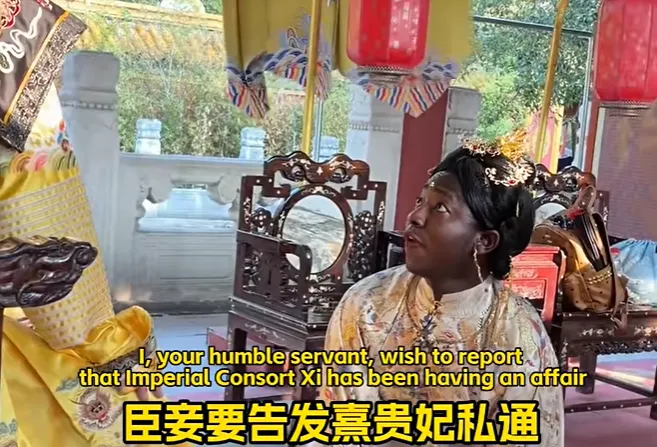
你别说,有些还演得怪好的嘞!
尤其有多位黑人“咖妃”,已经熟练地用中文说台词,说来哪段就来哪段,台词666。
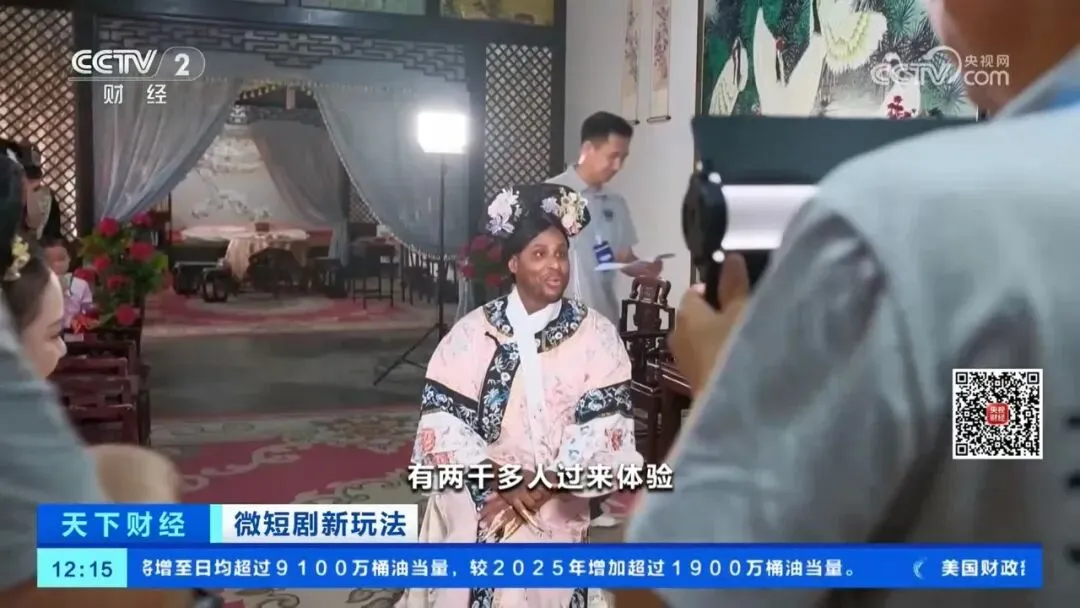
外国人为什么会出现在横店?为什么能对中国宫斗剧的套路了如指掌?
这背后,其实藏着一个你可能想不到的答案:中国电视剧,早已不只是中国人在看了。
1
C-drama Obsession
炙手可热的中国电视剧
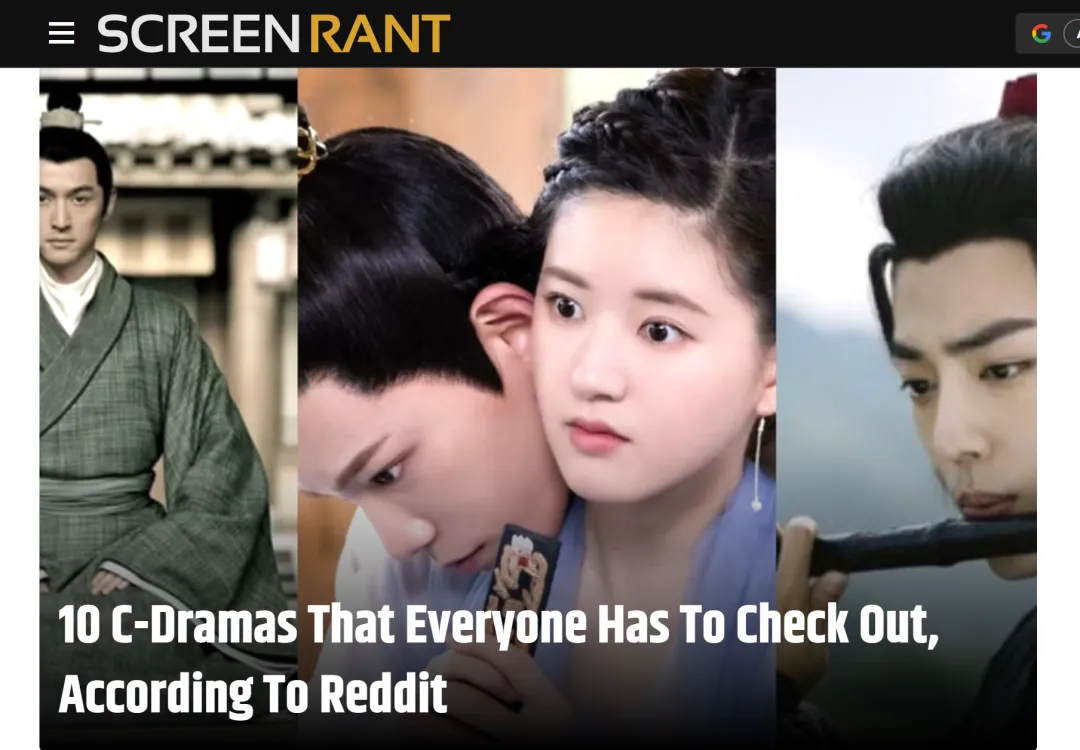
近年来,中国电视剧在海外的传播度不断提升。
多谢各个流媒体平台的发展,很多海外观众在家动动手指就能看到中国影视作品了。
比如,在Netflix上,你可以看到各种各样的亚洲电视剧,Netflix也在亚洲很多国家开始参与拍摄和制作本土作品。
Rakuten Viki,YouTube,爱奇艺等平台也提供了给海外观众看中国电视剧的渠道。
据广电总局的数据,中国电视剧占中国所有海外发行视听内容的80%,传播范围覆盖200多个国家和地区。
再来看单一地区的,根据某咨询公司数据,在东南亚市场,中国电视剧在视频点播(VOD)平台上的观看量已超过美国电视剧。
同时,我们这边火的AI竖屏短剧也在火热出海中。
可以佐证这一点的是,"duanju" 这个词(英文也叫microdrama)已经有单独的词条,你可以直接自信地用拼音了!
更有意思的是,在外国观众眼里,有些人可能不太爱看的现代言情、古装仙侠,恰恰是他们的“香饽饽”。
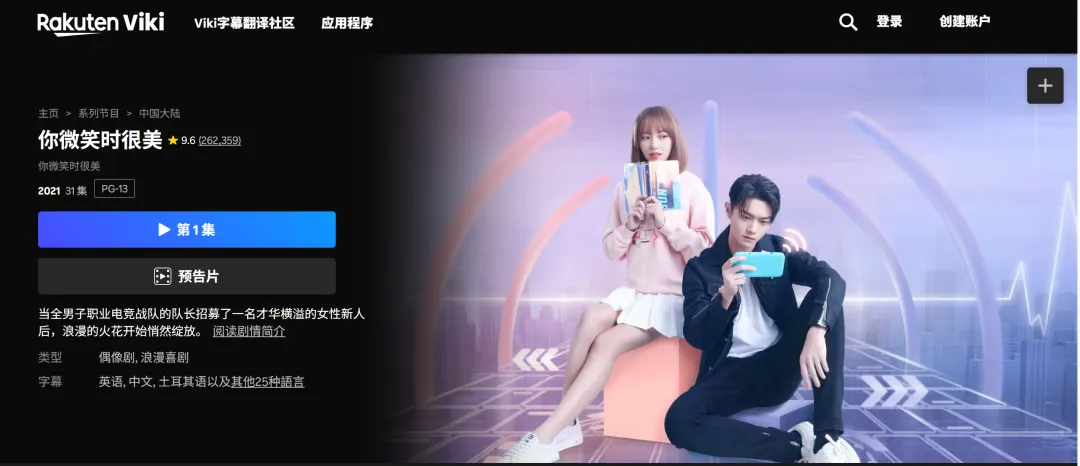
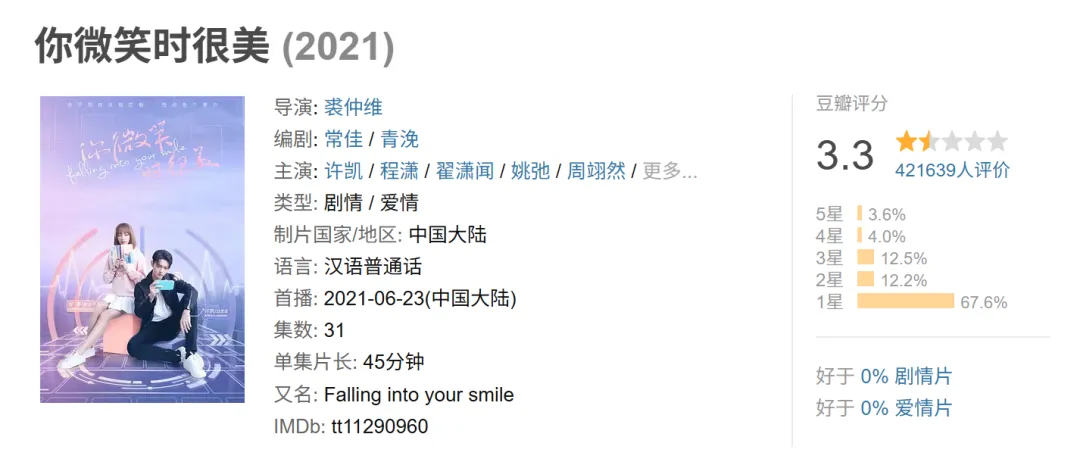
比如,2021年播出的电竞题材爱情剧《你微笑时很美》在YouTube上的播放量破亿,在海外影视平台Viki上也获得了9.6的评分(满分10分)。
而这部剧在国内豆瓣上的评分却只有3.2分。
有海外观众在评论中国电视剧时,毫不吝啬自己的赞美:
剧情吸引人、演员演技好、服化道和实景画面绝美,也有老外感慨看多了国产剧,对好莱坞套路审美疲劳。
那么,外国人究竟在中国电视剧里看到了什么?
2
Xianxia or Wuxia?
仙侠还是武侠?
首先,当然是好看的故事。
不管是什么文化、什么背景,电视剧里面有的爱情、亲情、友情、复仇、成长、逆袭元素...放眼世界哪哪都有,并不因为语言不通而难以理解。
加上中国电视剧特别看重布置夸张情节、爽点拉满,这些恰恰满足了观众对戏剧冲突和情绪释放的需求。

横店一家短剧体验工作室的负责人就说,微短剧的流行,很大程度上是因为它们倾向于梦想和幻想的领域。
比如,"重生之我在公司当保安被貌美多金的女CEO倒追",又或者"英俊霸道总裁爱上当清洁女工的我"。
这些故事虽然脱离现实,却反差感拉满,能让观众暂时摆脱日常生活的压力。
其次,是一种新鲜的文化体验。
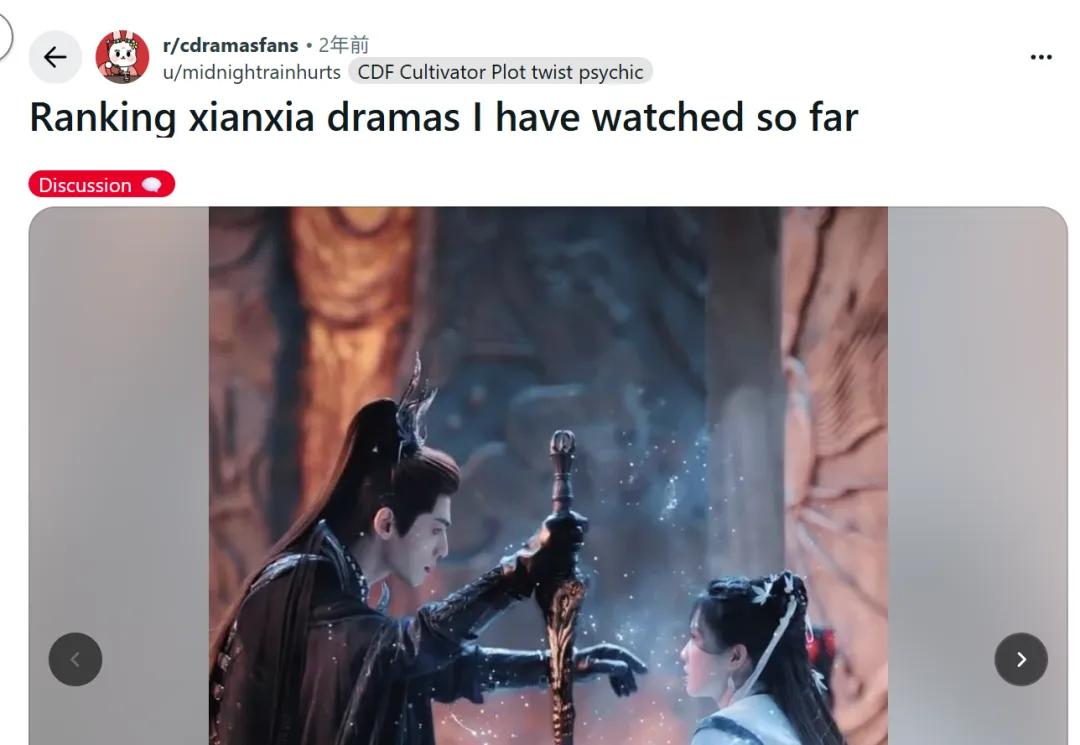
很多外国观众很爱看Wuxia、Xianxia,对他们来说,中国的古装剧、武侠剧、仙侠剧提供了一个很东方的世界。
正如一位海外观众在讨论仙侠剧时所说,自己很喜欢其中那种宏大、史诗般的感觉,尤其是故事涉及“道”、哲学思考等内容时,更让人着迷。
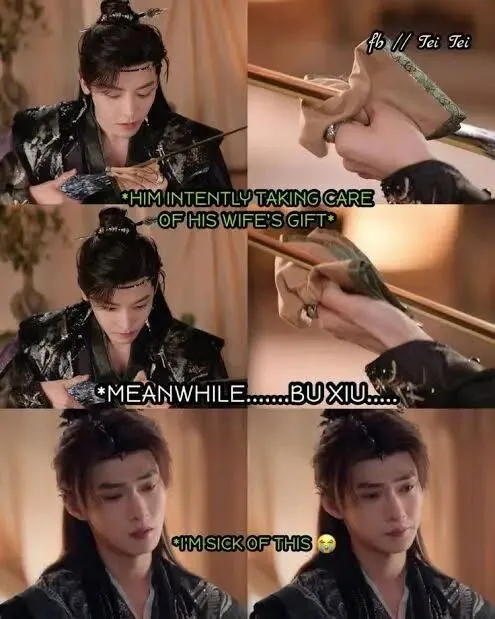
对中国观众而言,这些元素可能早已司空见惯,但对外国观众来说,却可能是特别新鲜的文化世界。
我们看西方奇幻作品,会对魔法、骑士和中世纪城堡感到新奇;外国人看中国仙侠剧,也有着类似的感受。
还有一种更深层次的情感连接。
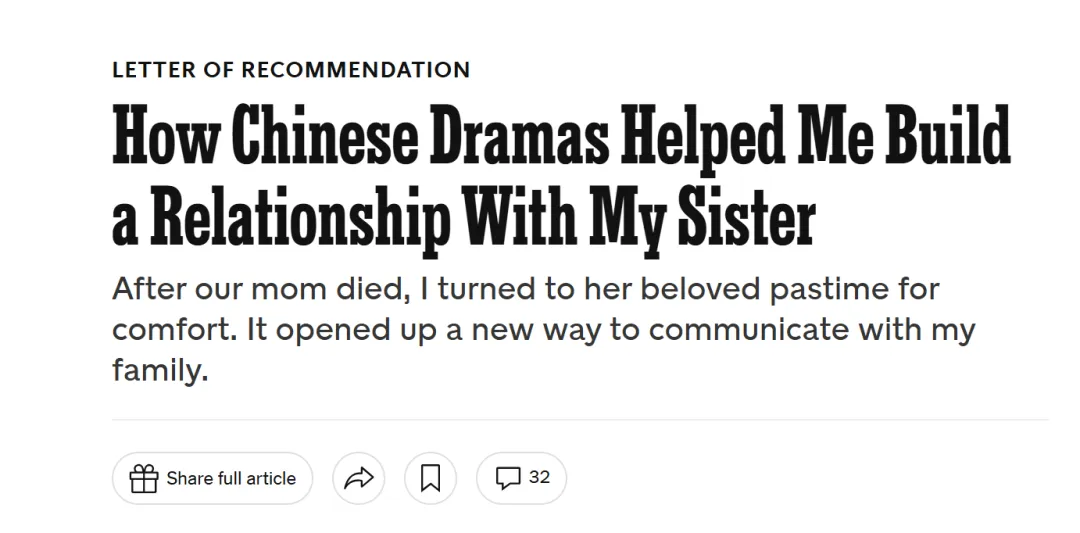
一位海外华裔观众曾分享过自己的追剧感受。
她成长在一个以白人为主的小镇,从小生活在以西方文化为主导的环境中,长期以来,好莱坞和美国影视作品几乎构成了她熟悉的娱乐世界。
因此,当她看到一整部中国电视剧的演员都在说普通话时,竟然产生了一种难以言说的感动。
在她看来,西方影视作品中的亚裔演员,往往只能扮演配角或者相对固定的角色;
而中国电视剧却让亚裔人物站在故事的中心,拥有丰富的生活经历、复杂的情感和完整的人生。
这让她意识到,原来亚洲人的故事也可以这样被讲述,原来自己熟悉的语言和文化,也可以成为一个庞大故事世界的主体。
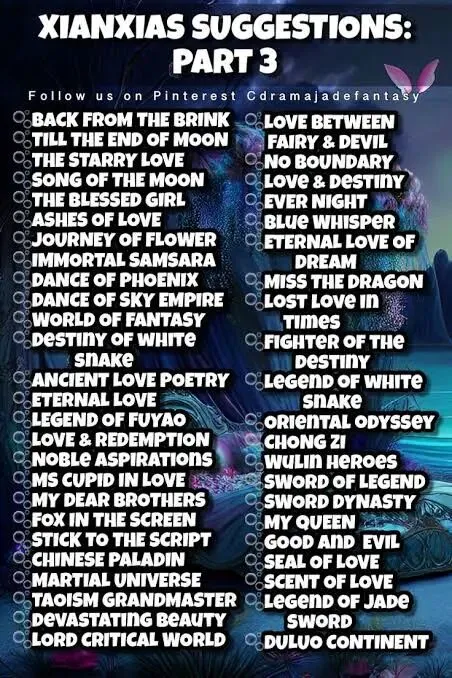
这或许也是中国电视剧在海外传播中一个容易被忽略的意义:
它不仅让外国观众看到了一个不一样的中国,也让一部分海外华裔在屏幕上看见属于自己文化根脉里熟悉的东西。
3
Experience Economy
体验经济
回到横店的拍摄现场。外国游客参与短剧拍摄,真的会遇到语言和文化障碍吗?
从目前一些体验项目的设计来看,这些障碍其实并没有想象中那么难以克服。
有些套餐专门提供英语翻译服务。
游客通常只需要从预设剧本中选择角色。工作室提供其他所有,整个拍摄过程大约30分钟,最后就能拿到一段短剧视频啦~
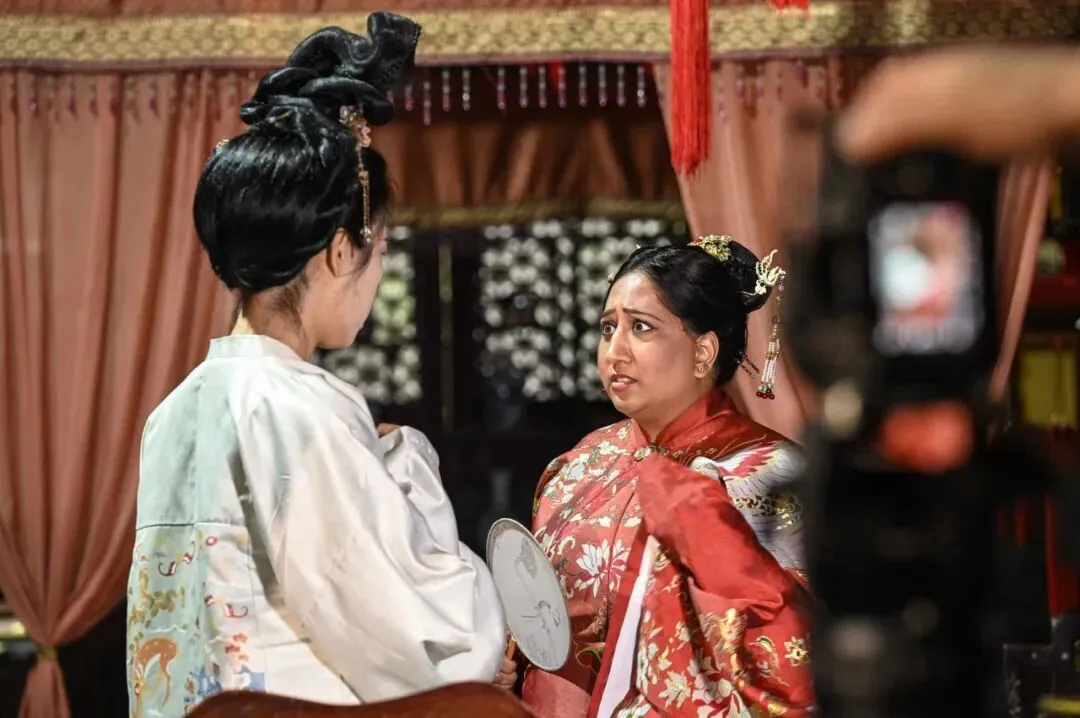
来自伦敦的Kinjal Patel就是其中一位体验者。
她花150美元参加了包含英语翻译服务的拍摄套餐,在剧中扮演一位天真善良的姐姐,努力保护自己不受心机深沉的妹妹伤害。
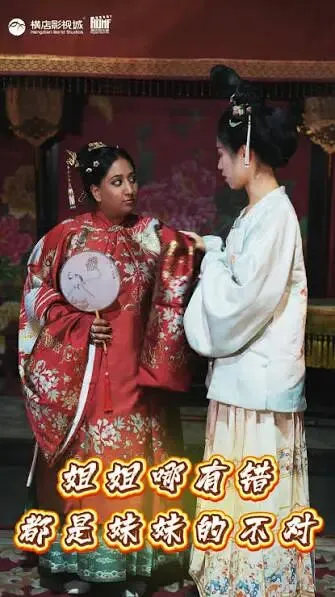
身着红色服饰的她说,自己想体验这里的建筑、文化和历史,希望能够漫步其中,感觉就像回到了过去。
当然,一次短剧体验未必就能让人真正理解中国文化,但它至少提供了一次接触和了解的机会。
这或许才是人们真正想买单的地方:
说到底,外国游客愿意花钱来横店拍一段短剧,买的其实不只是一套服装、一次拍摄服务,更是一段新鲜有趣的体验。
这就是体验经济的逻辑。
美国学者约瑟夫·派恩和詹姆斯·吉尔摩曾提出,体验经济是继农业经济、工业经济、服务经济之后的一种新经济形态。
简单来说,过去人们买的是农产品、工业商品,后来购买各种服务,如今则越来越愿意为一段独特的经历、一种难忘的感受付费。
所以,当中国故事不再只是屏幕里的内容,而成为外国游客可以亲身参与、体验和分享的生活片段,文化交流也就有了更多具体而生动的可能。
毕竟,谁能想到,外国人对中国的好感,是那么具体?那么古怪呢?
E
You Can Read More Here
更多英文相关,欢迎阅读👇
Sourced from New York Times - How Chinese Dramas Helped Me Build a Relationship With My Sister
When I tell people my sister is 14 months older than me, some marvel at how close we must be. Others joke that my parents got busy fast. The joke is true, but my sister and I have never been close. We couldn't be more different. I'm louder, taller and blunter. She's quieter, shorter and sweeter. When we were young, I barreled through Michigan forests on my bike while she buried her head in Nancy Drew books. Because my sister was more obedient and a better student than I was, I perceived that she was the favored child.
While my sister and I have always gotten along, our relationship bears the tension of that childhood dynamic. For years we weren't especially friendly and spoke only when necessary. Twelve years ago, our father had a stroke and suffered from aphasia. Around the same time, our mother found out she had pulmonary fibrosis. My relationship with my sister soon worsened. Because I lived closer to my parents, I managed all the day-to-day caretaking; from afar, my sister lobbed suggestions that felt like criticisms. After our mother died in 2015, it was hard to imagine that our relationship could ever improve.
When the pandemic descended, I turned to Chinese dramas to ease my anxiety. That felt natural: My mother also loved watching dramas. When I was young, she and her friends would share entire VHS tape sets of shows sent from Taiwan. Before my mother died, she was constantly hunched over her laptop, mesmerized by her favorite shows. Perhaps these dramas were a form of escape, her only connection to her childhood in China.
Without my realizing it, Chinese TV — which dates back to 1958 — had become an enormous export over the past decade. One research firm estimated in 2019 that over half the world's new TV dramas were now coming from China. China is the second-largest market for TV programming after the U.S., and Netflix has been ramping up production of Asian dramas because of booming demand. Apps such as Rakuten Viki and iQiyi have been feeding this bottomless appetite, with the subscription base of Rakuten Viki growing by more than 80 percent since the pandemic began.
While Asians are often relegated to bit and stock roles in American television, these shows put Asians at the heart of the action.
I started with one of the most popular dramas. "The Story of Yanxi Palace" takes place during the 18th century in Beijing and tells the story of Wei Yingluo, a palace maid who enters the Forbidden City to investigate her older sister's death. Along the way, she falls in love with Fuheng, a palace guard, becomes a concubine of the emperor and gets entangled in all the deceit and machinations of palace life. Within two weeks I watched 70 episodes.
Funny as it might seem, what moved me most was the simple fact of seeing an entire cast speaking Mandarin. I grew up in a mostly white town where survival meant assimilation. Whiteness came to organize my consciousness, as it has for large swaths of the world. After all, American culture and Hollywood have long been the lingua franca of global entertainment. I began to understand why Asian dramas are so popular: While Asians are often relegated to bit and stock roles in American television, these shows put Asians at the heart of the action, participating in the full spectrum of human drama.
All the while, as I watched "Yanxi Palace," I found myself missing my mother more than ever. One day, I decided to text my sister what I might have normally told my mother — that she had to watch this show. At that point, my sister and I only texted once every few months, usually to discuss our father's caretaking. Maybe she was feeling a sense of loss, too: Surprisingly, she began to watch along with me. Soon we were live-texting as we watched, and I marveled at the ornate costumes, detailed settings and nuanced performances that graced the show. Our appetite grew until we were consuming other dramas, like the hit "Go Ahead," an exceedingly heartwarming story about three children from unstable households who come together and form a new kind of family. The more dramas we watched, the more involved our conversations became. We wondered what it would be like to grow up in China with Chinese people like us.
Over the past year, my sister and I have watched so many Chinese dramas together that I've lost count. At the end of a day spent teaching via Zoom, we'll fire off texts to each other, trying to understand a bizarre plot point: Did that kiss really happen, or was it a dream? Or I might confess that one of my favorite actors is the 21-year-old heartthrob Song Weilong in "Go Ahead." Recently, to my chagrin, we figured out that his parents are the same age as us. We laughed.
It has been a long year of repeated losses for us all, but amid these losses, I've gained a sister. I never could have imagined how my mother's absence would lead me to yearn for my Chinese roots; how Chinese dramas could fill that void; or how dramas would help me build a new relationship with my sister — a chance to make up for lost time. As I search for something new to watch with my sister, it dawns on me: Our mom would have loved watching these shows with us too.
本期内容制作
撰稿/排版:
责编/校对:
图片(侵删):
桃花岛主
Jenny
来源网络
• end •
星标 “璐璐的英文小酒馆”
听见更精彩的故事,遇见更广阔的世界







▲点击以上图片,Get世界精选好物


相关文章
发表评论
评论列表
- 这篇文章还没有收到评论,赶紧来抢沙发吧~