
【论文分享】街景感知如何影响遗产旅游体验:以澳门历史商业区为例

引用格式:
Hu, X., Pan, L., & Han, D. (2026). How Streetscape Perception Shapes Heritage Tourism Experience: A Case Study of Macao’s Historic Commercial District. Sage Open, 16(4). https://doi.org/10.1177/21582440261494887
摘要:
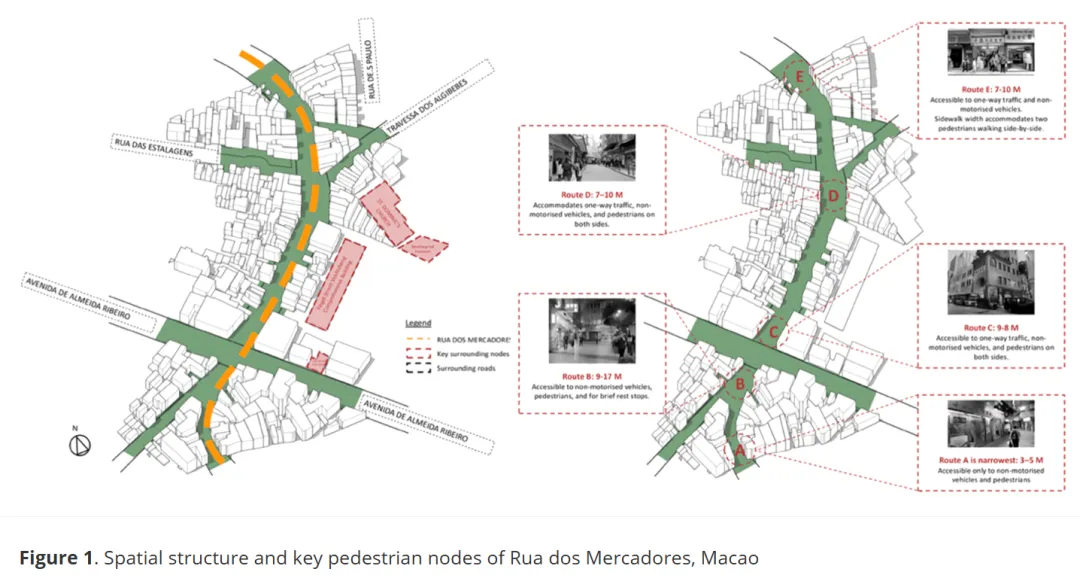
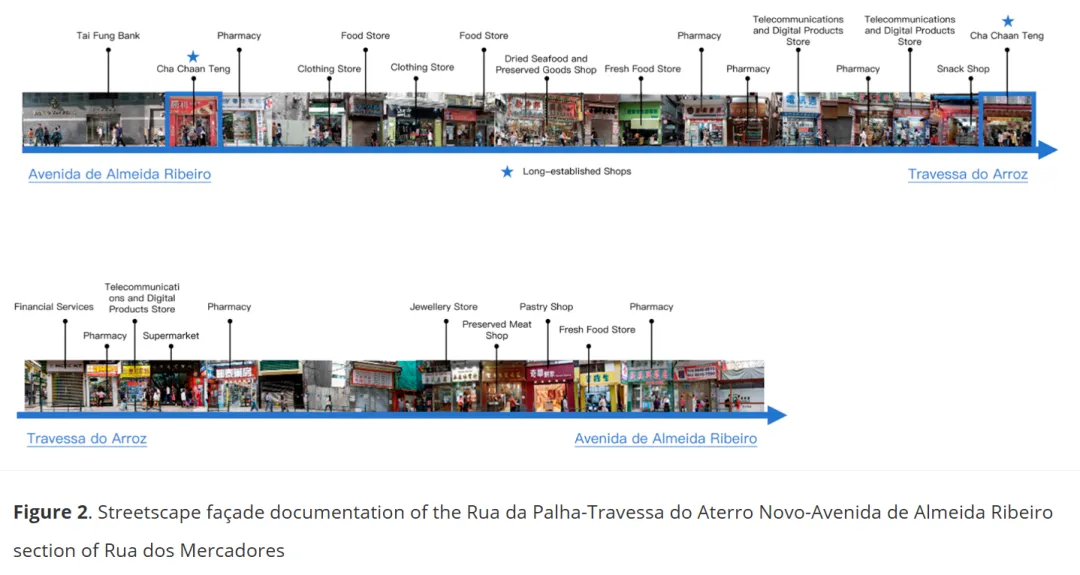
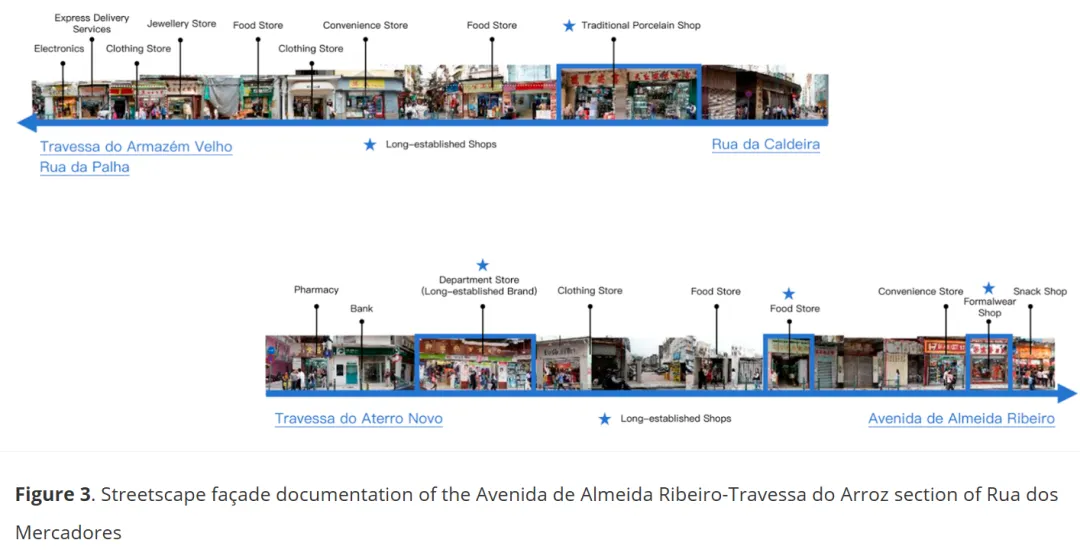
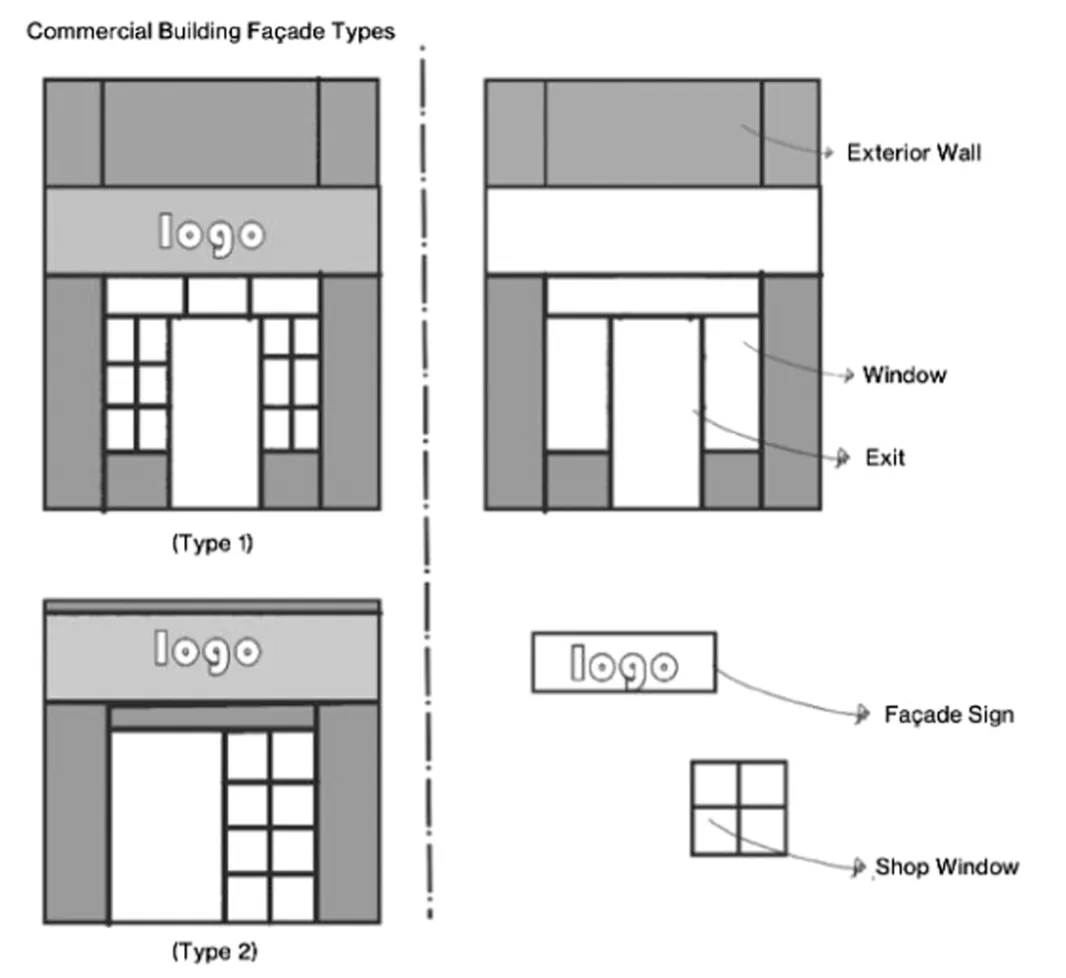
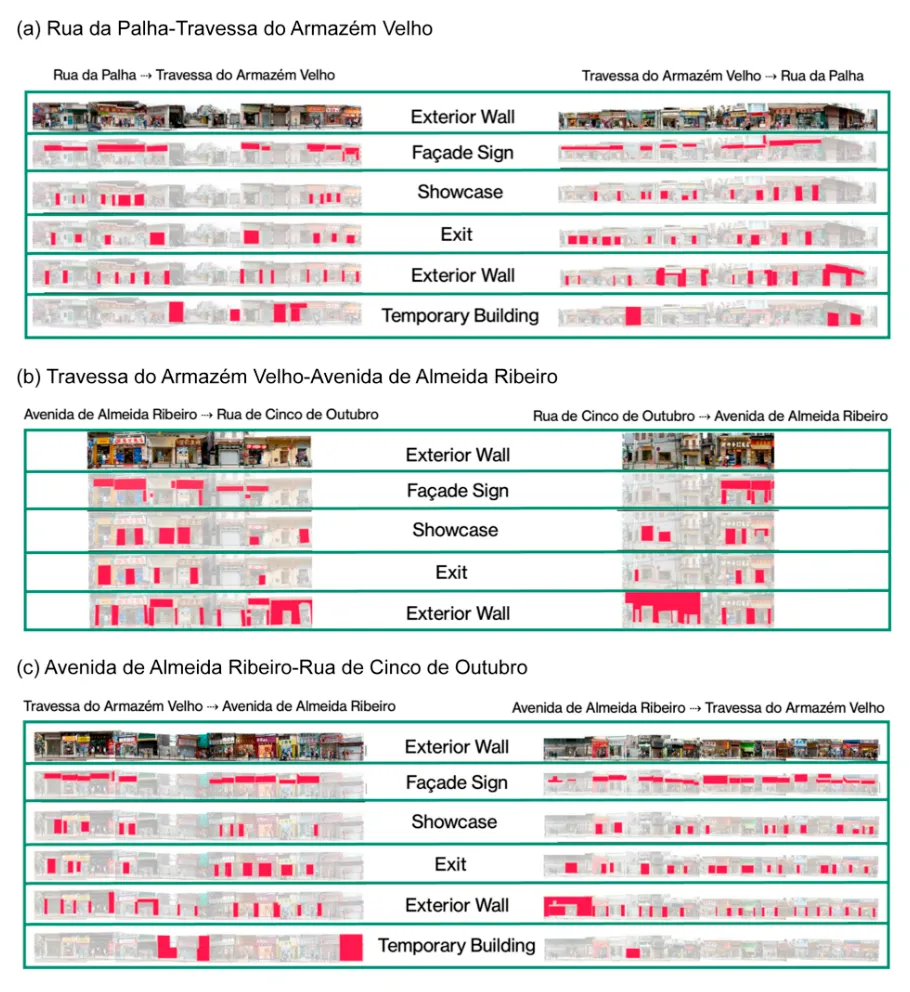
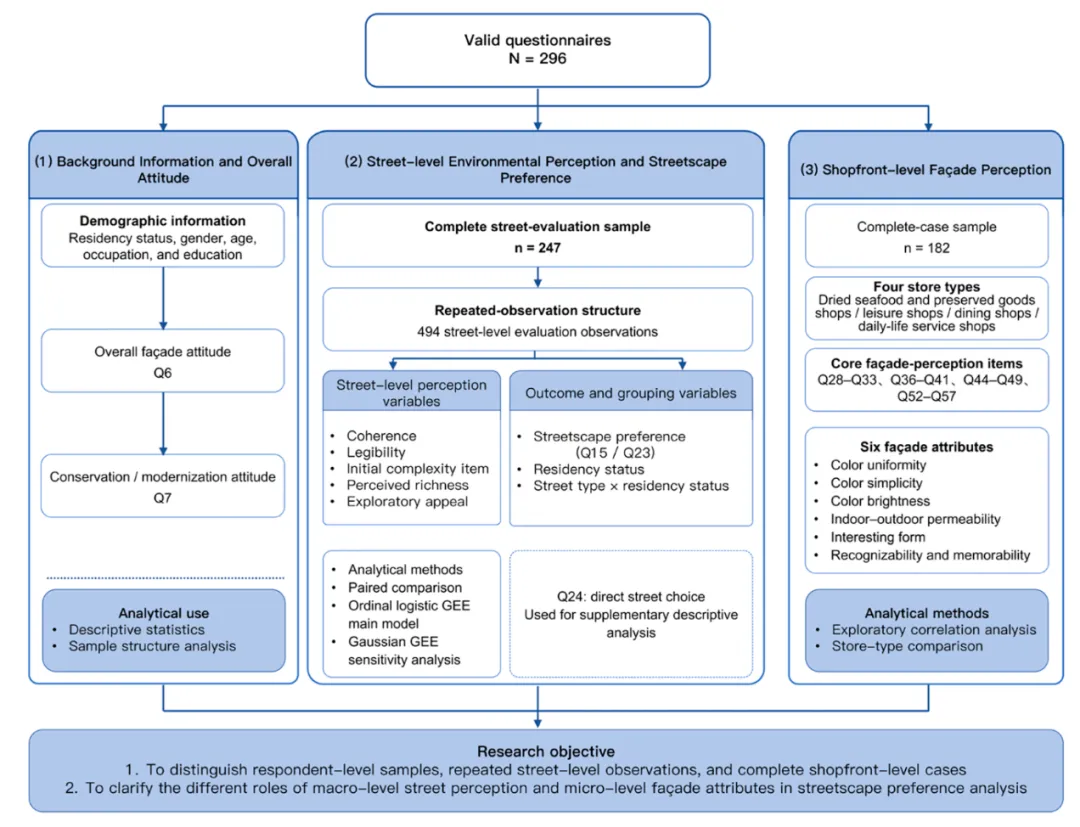
Understanding how multi-level perceptual layers shape streetscape preference in historic commercial districts remains limited. By selecting Macao’s Rua dos Mercadores and Rua de Cinco de Outubro—two historic commercial streets sharing a deeply intertwined historical lineage and structural positioning within this heritage city—this study examines the relative roles of macro-streetscape perception and user identity. Crucially, based on the macro-level comparison of the two streets, Rua dos Mercadores was identified as a more promising baseline case for a subsequent, micro-level shopfront façade evaluation. Based on 296 valid questionnaires, paired comparisons, ordinal logistic generalized estimating equations (GEE), and Gaussian GEE sensitivity analyses were conducted. The results reveal a notable contrast between perceived visual order and stated preference: Rua de Cinco de Outubro scored higher in coherence and coordination, yet Rua dos Mercadores achieved significantly higher overall preference, demonstrating that visual order alone cannot explain streetscape evaluation. GEE modeling indicates that street type, resident status, and their interaction significantly affect preference, with exploratory appeal acting as a robust street-level correlate. Conversely, the micro-level analysis of Rua dos Mercadores reveals that façade attributes function primarily as supplementary visual cues rather than independent drivers of street preference. Ultimately, streetscape preference is co-produced through macro-level spatial exploration, user identity, and local façade cues.
目前,人们对多层次感知如何影响历史商业区街景偏好的理解仍然有限。本研究选取澳门的营地大街(Rua dos Mercadores)和十月初五日街(Rua de Cinco de Outubro)——两条历史悠久的商业街,它们在澳门这座历史名城中有着紧密的历史渊源和结构定位——来考察宏观街景感知和用户身份的相对作用。关键在于,基于对两条街道的宏观比较,商贸街被确定为后续微观层面店铺立面评估的更佳基准案例。基于296份有效问卷,本研究进行了配对比较、序数逻辑广义估计方程(GEE)和高斯GEE敏感性分析。结果显示,感知到的视觉秩序与实际偏好之间存在显著差异:十月初五日街在连贯性和协调性方面得分更高,但商贸街的总体偏好度却显著更高,这表明仅凭视觉秩序无法解释街景评价。 GEE模型表明,街道类型、居民身份及其相互作用显著影响偏好,其中探索性吸引力是街道层面的一个重要相关因素。相反,对Rua dos Mercadores街的微观分析表明,立面属性主要作为辅助视觉线索,而非街道偏好的独立驱动因素。最终,街景偏好是由宏观层面的空间探索、用户身份和局部立面线索共同决定的。
文章插图:
往期回顾

(点击蓝字可转跳阅读)

有缘待续
下
期
再
会


相关文章
发表评论
评论列表
- 这篇文章还没有收到评论,赶紧来抢沙发吧~