
著名富士山景点因过度旅游取消樱花节 | 日本修订旅游法应对

来源:NHK
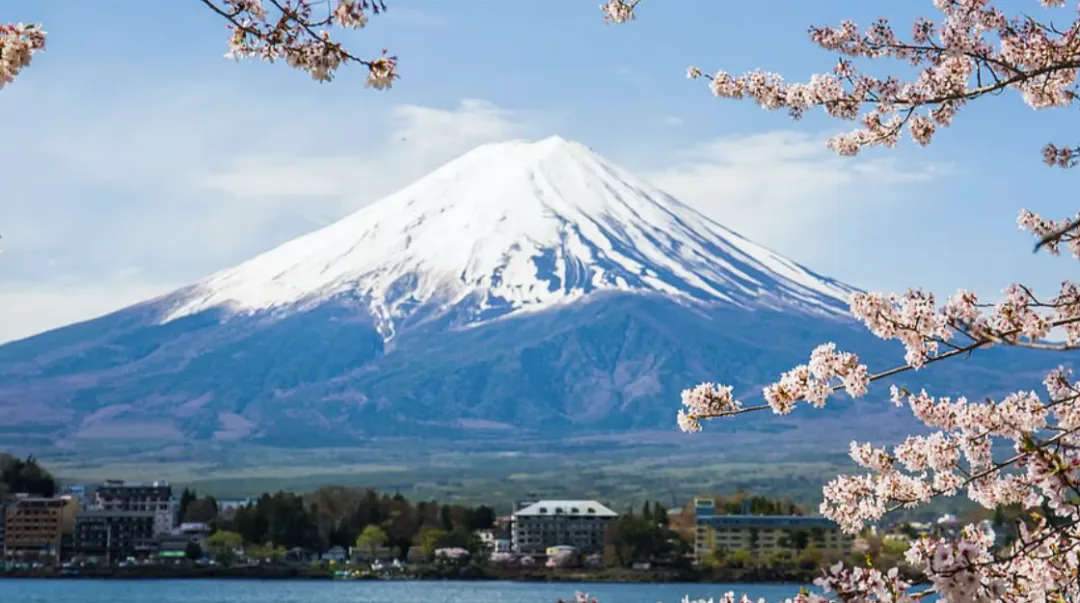
日本修订观光立国计划应对过度旅游
日本政府计划修订作为国家旅游战略基础的《观光立国推进基本计划》。负责讨论的有识之士会议于1月30日举行的会议上公布了计划草案。
草案指出,随着外国游客人数增加,各地出现过度旅游问题,提出将使“接待入境游客”和“保障居民生活质量”不相矛盾作为支柱之一,集中推进相关对策。
在此之上,关于希望采取缓解过度拥挤、加强旅游礼仪宣传等措施的地区,草案中还写入目标,将目前的47个地区在2030年年底前增加至100个,达到现有规模的两倍以上。
此外,政府拟将日本出境时征收的“国际观光旅客税”提高至现行的3倍、即3000日元,相关税收预计将用于上述对象地区。
草案还维持了此前的政府目标,即以2030年为目标,将访日外国游客人数从2025年的4200多万人提高至6000万人,旅游消费额达到15万亿日元。
日本政府表示,今后将就该草案征集公众意见,并计划在本财年内最终敲定《观光立国推进基本计划》。
Japan Cancels Cherry Blossom Festival Near Mount Fuji Amid Tourist Misconduct
Japan’s growing struggle with overtourism has reached a symbolic and controversial milestone, as authorities near Mount Fuji have cancelled a well-known cherry blossom festival after years of mounting pressure on local residents. The decision reflects a broader national debate about how far Japan can continue to promote mass tourism without undermining the quality of life of those who live in its most iconic destinations.
The annual cherry blossom festival held at Arakurayama Sengen Park, overlooking the city of Fujiyoshida, has been cancelled for the first time since its launch a decade ago. The event, which coincides with Japan’s sakura season, typically attracts around 200,000 visitors each year, drawn by panoramic views of Mount Fuji framed by cherry trees and the five-tiered Chureito Pagoda.
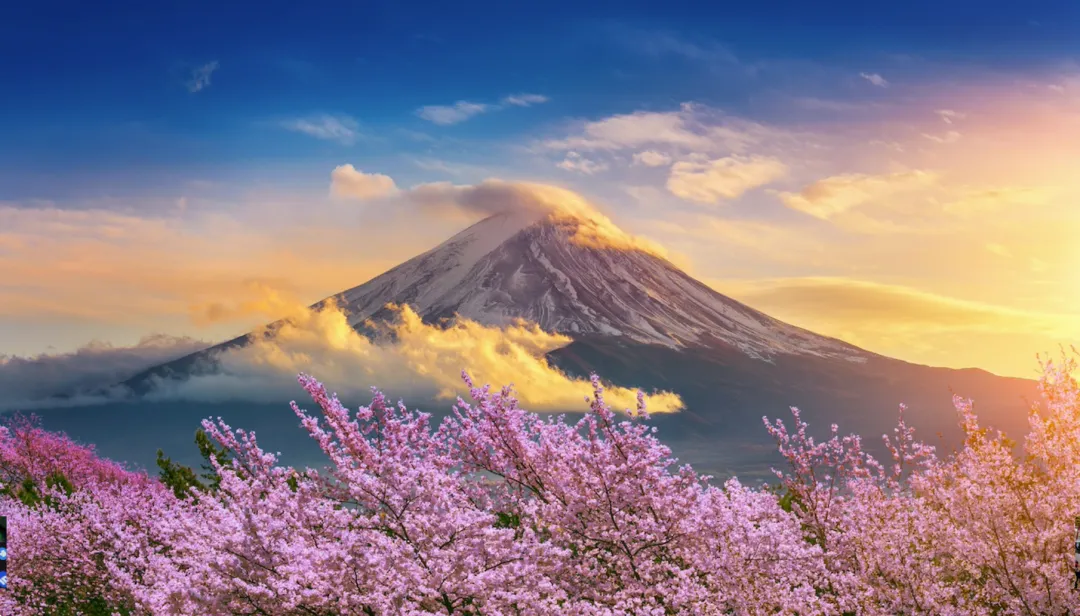
A breaking point for residents
Announcing the cancellation, Fujiyoshida mayor Shigeru Horiuchi made clear that the decision was driven by concern for local residents rather than a desire to discourage tourism outright. “Behind the beautiful scenery is the reality that the quiet lives of citizens are being threatened,” he said, adding that the city now feels “a strong sense of crisis”.
According to city officials, visitor numbers have risen sharply in recent years, with up to 10,000 tourists arriving daily during peak bloom. What was initially intended to create a lively atmosphere and boost the local economy has, authorities say, evolved into overtourism that exceeds the city’s capacity.
The cancellation follows repeated reports of disruptive and, in some cases, shocking behaviour by visitors. Authorities cited incidents of tourists trespassing on private property, opening the doors of nearby homes to use toilets without permission, littering, and even defecating in private gardens. When residents confronted offenders, arguments reportedly ensued.
Parents have also voiced safety concerns, with children being pushed off pavements as tourist crowds spill into narrow residential streets, particularly along school routes. Chronic traffic congestion during blossom season has further disrupted daily life, making routine journeys difficult for locals.
Social media driven crowds
Officials point to a combination of structural and cultural factors behind the surge. Japan’s weak yen has made travel more affordable, while social media has transformed specific viewpoints into global must see attractions. Arakurayama Sengen Park, in particular, has become one of the country’s most shared springtime images online, fuelling queues that can stretch for hours.
Visitors often wait up to three hours to reach the observation deck at peak times, hoping to capture the perfect photograph of Mount Fuji framed by cherry blossoms. While the festival itself has been cancelled, the park remains open, and authorities expect large crowds throughout April.
To manage the influx, Fujiyoshida plans to increase security patrols, install portable toilets and create temporary parking areas. Visitors are being urged to use public transport, avoid residential zones and respect private property.
Part of a wider trend in Japan
The decision in Fujiyoshida is not an isolated case. Japan has increasingly turned to regulation to manage overcrowding at its most popular sites. Nearby Fujikawaguchiko made international headlines last year when it erected a large black mesh barrier to block a famous Mount Fuji photo spot after residents complained of littering, illegal parking and dangerous road crossings by selfie-seeking tourists. The barrier proved effective and, although later removed, authorities warned it could be reinstated if problems return.
Mount Fuji itself has also become a focal point of intervention. During the last climbing season, local authorities introduced entry fees and daily caps on the most popular hiking routes to curb pollution and improve safety at the UNESCO-listed site.
Japan’s approach mirrors measures taken elsewhere. Cities such as Venice and Rome have recently introduced access fees and crowd controls at major landmarks, including the Trevi Fountain, in an effort to balance tourism revenues with liveability.
A paradoxical moment for travellers
The timing of the festival’s cancellation is striking. As Travel Tomorrow recently reported, 2026 is shaping up to be a comparatively affordable year to experience Japan’s cherry blossom season, particularly for European travellers. Lower airfares, improved hotel availability, and favourable exchange rates are making spring travel more accessible, even as authorities tighten controls in overcrowded hotspots.
This paradox highlights a central challenge for Japan’s tourism strategy. While the country remains keen to attract international visitors and distribute tourism more evenly across regions, highly concentrated sites such as Mount Fuji face growing social and environmental strain.
Cherry blossom season, or hanami, remains one of Japan’s most cherished traditions, drawing millions to parks, temples, and riverbanks nationwide. The situation in Fujiyoshida, however, suggests that unchecked growth carries real costs for host communities.
“For Fujiyoshida, Mount Fuji is not just a tourist attraction,” Mayor Horiuchi said. “It is our way of life.” By cancelling one of the region’s most photogenic events, the city has sent a clear signal that protecting residents and preserving dignity now takes precedence over staging a festival for the global travel calendar.
日韩两国去年人员往来超1300万创下新高
韩国旅游发展局1月30日公布,去年(2025年)约有365万3000名日本游客到访韩国,比上一年增加了40多万人。
另一方面,据日本国家旅游局透露,去年估计有945万余韩国旅行者到访日本,日韩之间的人员往来超过1300万人,创下了历史新高。
越来越多的韩国人不仅到访东京、大阪等日本的大城市,还以享受温泉和打高尔夫球等为目的前往地方,而在日本方面,以人们对K-POP和韩剧的浓厚兴趣为背景,尤其是在年轻人当中,前往韩国旅行是长期以来颇具人气的一个选项。
近年来,连接日韩两国地方城市的定期航班数量有所增加,往返于日本静冈与韩国南部釜山的首条定期航线计划于今年3月开通。
前来日本旅游的中国游客人数有所下降,但随着日韩两国关系的改善,日韩之间的人员往来却在不断增加。

华兴日语作为日本J-cert考试山东省唯一考点,专注日语培训30年。指导20000+赴日留学生升学,1000+优秀学员考入东京大学、早稻田、一桥、庆应、东工大等。由日本持证外教和专业留学海归任教,小班制教学,同时提供制作精良在线课程。全部教室配装视频设备,开放自习室, 提供最优学习环境!
欢迎转发东大时事(TNT)平台文章;如有开设白名单、投稿、合作或其他需求,请于公众号留言。



相关文章
- 来长沙旅游全攻略
- 一个人带上手机去旅行,攻略已为您做好
- 三亚亲子游天花板|7天6晚自由行攻略,住亚龙湾玩亚特兰蒂斯
- 行程安排很完美,吃住都很满意,服务很好,领队王婷婷很贴心,热情周到,对我们这些阿姨叔叔们服务做的很细致,很满意,下次希望还给她一
- 新疆克孜勒苏柯尔克孜自治州|十大景点攻略,强烈推荐!
- 五一旅行第一站:海南万宁(攻略版)
- 旬阳县全域旅游概念方案设计
- 山东庙岛列岛旅游攻略:妈祖庇佑,八仙启航.沙门古岛,海神故里.探秘渤海海峡的千年信仰与神话之源
- 福建大嵛山岛旅游攻略:夏日避暑天花板!20℃海岛草原,承包你的清凉一夏
- 嵊泗列岛深度旅游攻略:从'绿野仙踪'无人村到远东第一灯塔,嵊泗的每一帧都是电影画面
发表评论
评论列表
- 这篇文章还没有收到评论,赶紧来抢沙发吧~