
满是攻略的旅游,毫无意思——从高铁窗外三秒钟的村庄说起
昨天,从广州到贵阳的路上,我在车窗外惊鸿一瞥,看见了一个小镇。
它被群山围住,我从高处俯瞰下去。村寨落在山谷之间,中间似乎立着一座塔,周围层层叠叠地分布着古老的建筑。木制的房屋、深色的瓦顶、像茶楼一样的檐角,安静地聚拢在一起。
整个画面只出现了三秒。
我甚至来不及拿出手机,它就已经被高速行驶的列车抛在身后。
但也正是这三秒,让我久久不能平静。
后来我在贵阳民族博物馆里,看见墙面上描绘的山峦、河流和村寨,眼前的画面忽然与车窗外那个不知名的小镇重叠起来。它像一个没有说完的句子,也像一条突然出现、却没来得及走进去的岔路。
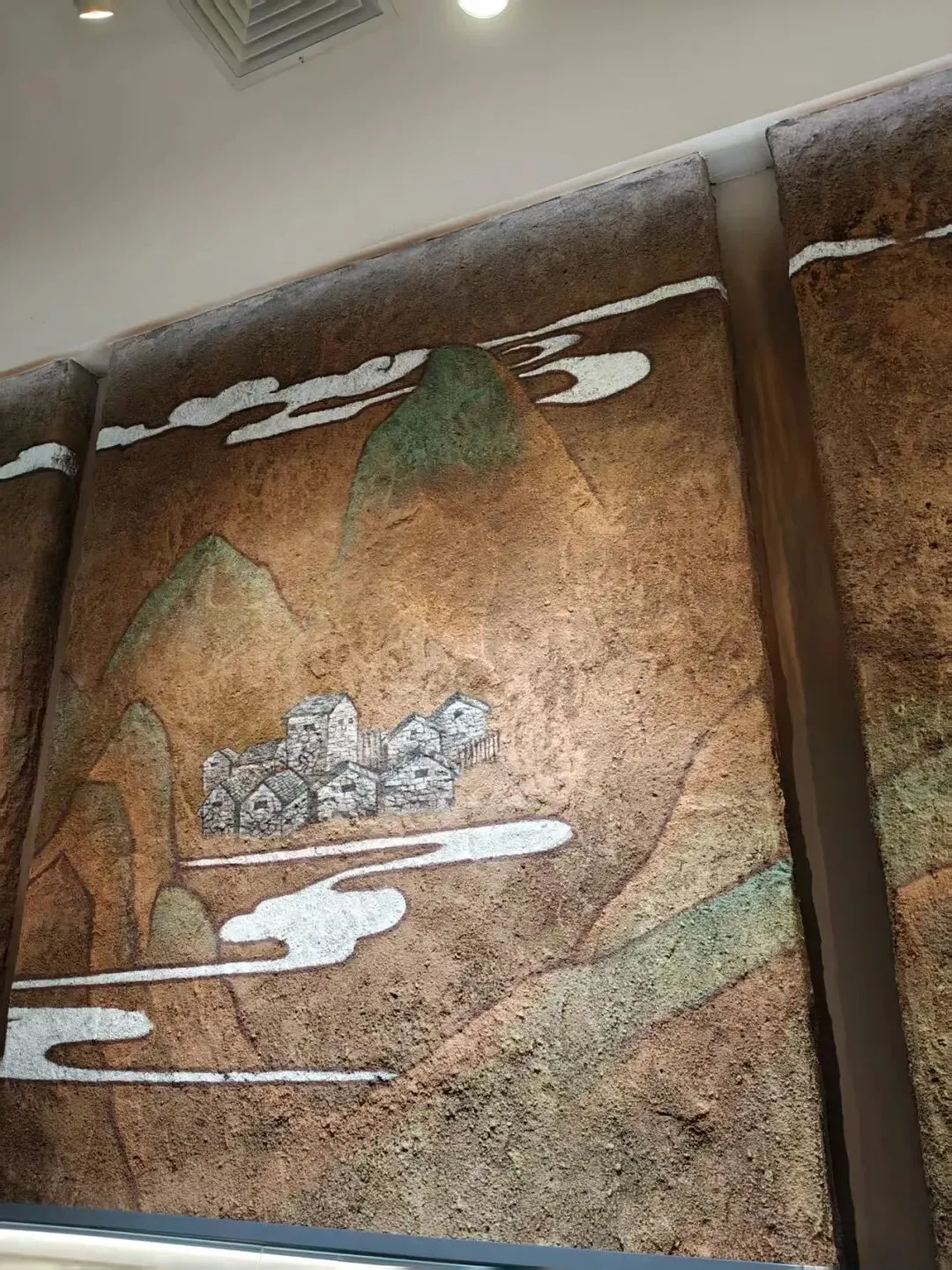
我不知道它叫什么。
不知道从哪一站下车。
不知道有没有公共交通能够到达。
也不知道那座塔究竟是鼓楼、寨门、寺庙,还是某种我尚未理解的建筑。
它只在我的生命里出现了三秒,却让我开始重新思考:
真正的探索,究竟是什么?
一、我们到过很多地方,却未必真正抵达
过去旅行时,我们常常用一种十分熟悉的方式认识一座城市:
先搜索“必去景点”,再去城市中心、著名步行街、地标建筑和评分最高的餐厅;在最适合拍照的地方停留,在网上出现过无数次的角度再拍一张照片,然后奔赴下一站。
这种旅行当然没有错。
它让陌生城市变得容易进入,也让有限的时间获得一种明确的秩序。可是当走过的城市越来越多,我逐渐感到一种重复:
不同的城市中心,似乎都有相似的商业街;
不同的古镇,似乎都出售相似的银饰、披肩、冰箱贴和手工酸奶;
不同的“文化街区”,也常常被整理成容易观看、容易消费、容易离开的样子。
我们抵达了地图上最著名的坐标,却未必真正进入一座城市的时间。
我们看见了建筑,却不知道谁曾经生活在
那里;经过了一块碑,却不知道碑下埋藏着怎样的历史;见到了一套民族服饰,却不知道布从哪里来,线由谁纺成,一块纹样为什么要由母亲传给女儿。
没有知识积累的时候,很多东西从眼前经过,也只是一个“好看”的表面。
就像我曾经去过南宁三街两巷,也经过了城隍庙。那时我并不了解它背后的历史,所以只是看了一眼,便继续往前走。
后来,当我知道那些人物、事件和命运,再回想起那个地方,心情完全不同。
如果再次站在那块碑前,我想我不会只是拍照。我会停下来,甚至愿意向它行礼。
地点并没有改变。
改变的是我与地点之间的关系。
二、地方并不会自动向人显露
我们很容易以为,只要身体抵达了一个地方,就已经“看见”了它。
但真正的地方,从来不会自动向一个匆匆路过的人显露。
一座庙宇,如果不知道它经历过什么,它可能只是一栋旧建筑。
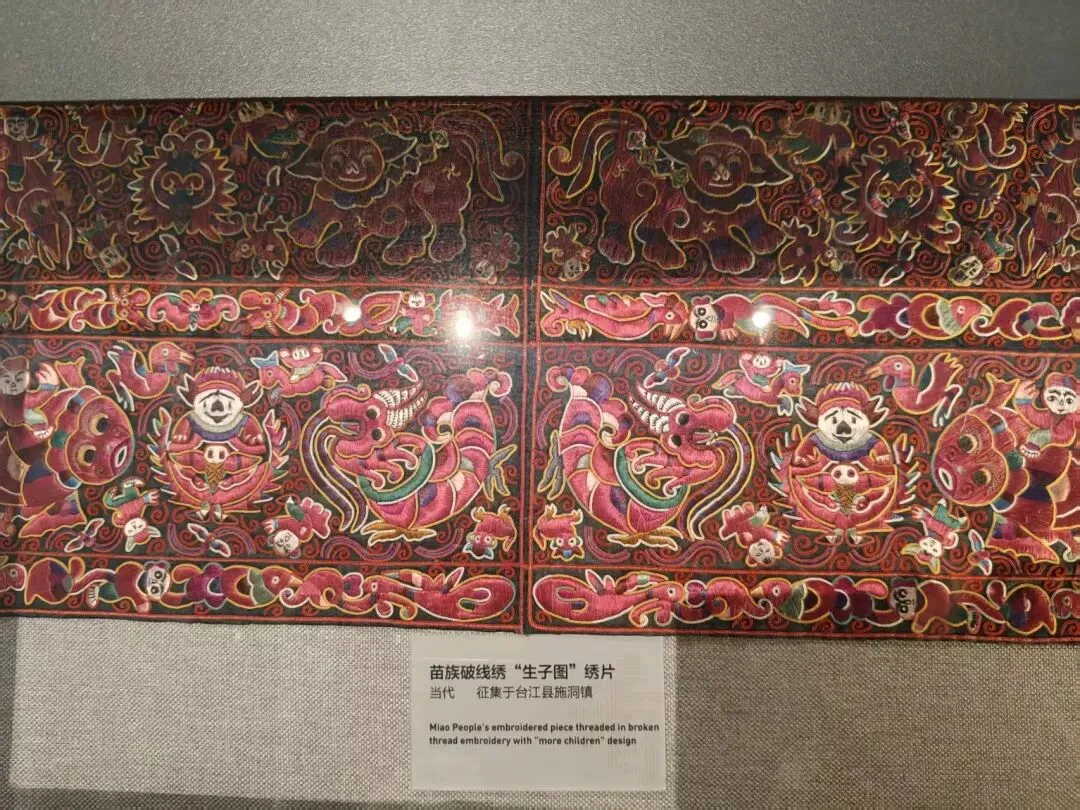
一块绣片,如果不知道是谁绣的、用在衣服的哪个位置、为什么采用这种针法,它也可能只是一个漂亮图案。
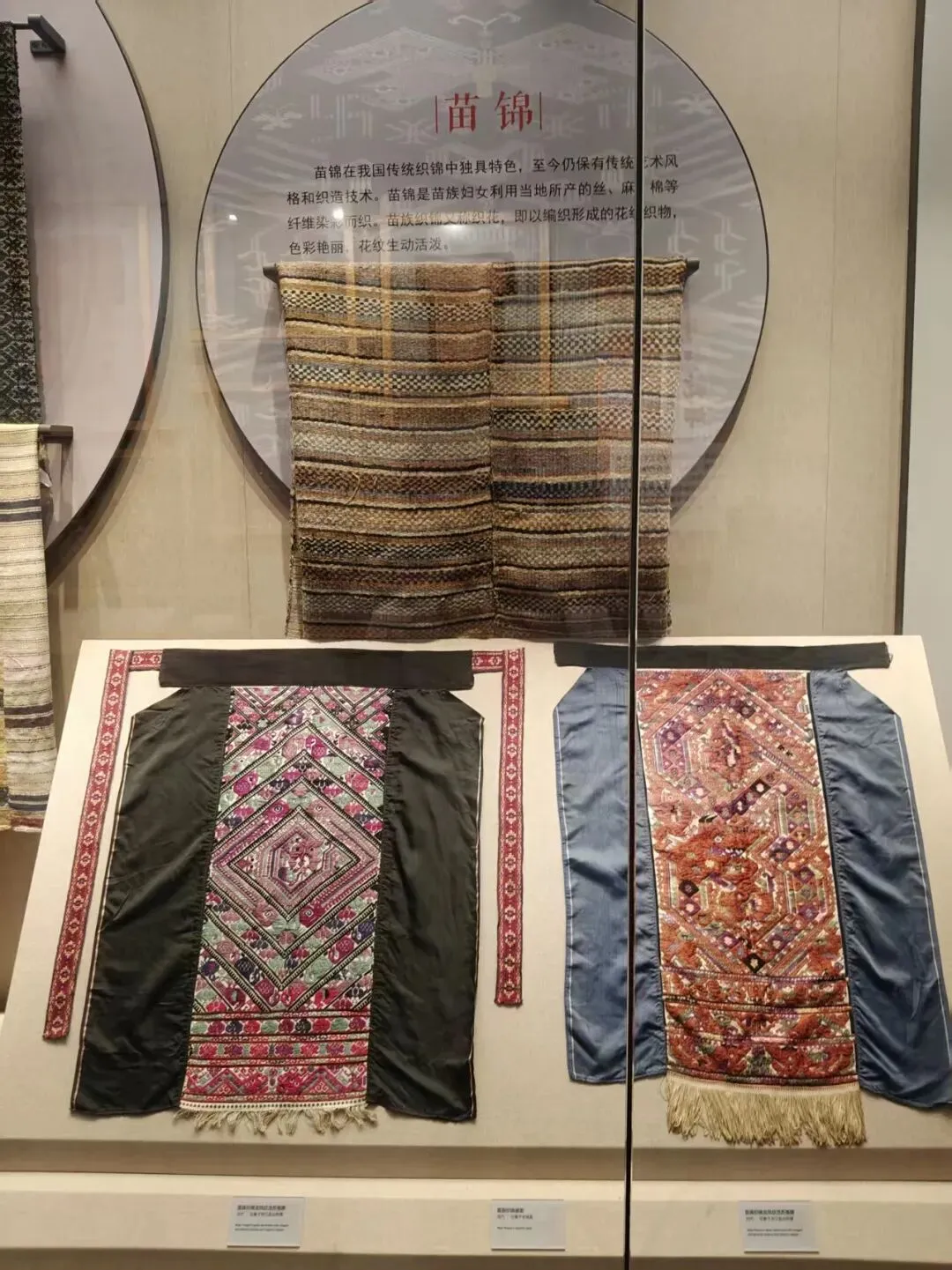
一座村寨,如果不知道人们如何种田、赶集、婚嫁、祭祖、修房、织布,它便只是山水之间的一组房屋。
所谓文化,并不是摆在橱窗里的答案。
它隐藏在建筑的朝向里,在老人的称呼里,在一条已经不再使用的古道里,也在一块被剪下来、看似不起眼的旧布里。
只有当一个人带着问题停下来,地方才会一点一点打开。
这也让我明白,为什么那座只出现了三秒的小镇如此打动我。
它尚未被解释。
它没有售票处,没有导览牌,没有人提前告诉我“这里最值得看什么”。它保持着一种未经翻译的完整性。
而我想要的,也许正是这种东西:
不是已经被整理成答案的景点,而是一个仍然需要我自己去辨认、寻找和理解的地方。
三、徐霞客所做的,不只是走远路
想到探索,我自然想到了徐霞客。
我们今天谈起徐霞客,常常惊叹于他走了多远,去了多少人迹罕至的地方。但真正重要的,也许不只是他的行程,而是他观看世界的方法。
他不是简单地从一个景点走到另一个景点。
他观察山脉的走向、水流的源头、岩石的结构、道路的变化,也记录天气、村落、寺庙和途中遇到的人。他不仅在移动,也不断校正自己的判断。
走路只是表面。
真正支撑他的,是持续的观察、记录、比较与追问。
今天的我们拥有高铁、地图软件、短视频和攻略。抵达一个地点,比过去容易了许多,但真正理解一个地点,似乎并没有因此变得更容易。
甚至恰恰相反。
因为答案来得太快,我们往往失去了形成问题的耐心。
因为路线太清晰,我们很少偏离导航。
因为随手就能拍下照片,我们有时反而不再认真观看。
那座高铁窗外的小镇提醒我:也许真正的探索,不是去到更多地方,而是重新学习怎样看见。
四、我感到的无力,来自“看见了入口,却不知道怎样进入”
那个村寨让我产生了一种隐约的无力感。
我知道,世界上还有许多这样的地方。
它们并不在热门攻略里,也未必有方便的公共交通。它们可能只在列车拐弯时出现几秒,只在当地人的一句话里留下一个模糊的地名,或者藏在一条县道尽头。
我想走进去,却不知道如何抵达。
我想认识那里的人,却害怕自己的到来只是另一种冒犯。
我想理解一种生活,却又知道,短暂停留的游客很难真正进入其中。
这种无力感并不是因为世界太远,而是因为我开始意识到:
真正的抵达需要付出时间、体力、知识和关系。
它无法像购买一张门票那样轻易完成。
但也正因为如此,它才值得。
五、从“到此一游”转向“带着问题生活”
也许,我不需要立刻成为一个背着巨大行囊、走遍荒野的探险者。
真正的改变,可以从很小的地方开始。
以后每到一座城市,我可以不再急于完成景点清单,而是先选择一个问题。
例如:
这里的人为什么这样建房子?
一块布是怎样从植物、棉线变成衣服的?
当地的集市在一周中的哪一天出现?
年轻人离开村寨以后,谁还在保存旧的手艺?
一座碑为什么立在这里?
一条旧路曾经通往哪里?
带着问题,旅行就不再只是移动。
同一个地点,会出现不同的入口。
博物馆不再只是室内展览,而是进入真实村寨之前的一张认知地图;一块布不再只是商品,而是一条连接材料、手艺、家庭与历史的线索;一次与当地人的交谈,也不只是获取信息,而是理解另一种生活的方法。
我想,今后的旅行可以慢一点。
不需要每一天换一座城市。
可以在一个地方多住几天,去一次博物馆,逛一次集市,坐一趟乡镇班车,再沿着一条没有被列入“必游路线”的街道慢慢走。
可以允许自己什么都没有找到。
允许工作室当天关门,允许没有买到布,允许老人不愿意接受拍摄,也允许一段路最后只是走到了一片田野。
探索并不以“获得结果”为唯一证明。
有时,找不到本身也是地方真实的一部分。
六、那些没有拍下来的地方,或许才会真正留在记忆里
我仍然不知道高铁窗外的那个小镇在哪里。
也许以后我能够根据线路、时间和地貌慢慢找到它。
也许永远找不到。
但它已经在我心里留下了一条路。
这条路提醒我,不要只前往那些唾手可得、已经被无数人解释过的地方;也不要把“去过多少城市”误认为对世界的理解。
真正的探索,可能意味着背上行囊,也可能只是认真进入一个村庄。
可能意味着走一条陌生的小路,也可能意味着在一块碑前停留得久一点。
可能意味着查阅历史,也可能意味着坐在小卖部门口,与一个老人聊半个下午。
它不是对景点的占有,而是与地方建立关系。
不是把世界迅速收入镜头,而是让一个地方有机会改变自己。
那座村寨只在我眼前停留了三秒。
但也许,真正的路,正是从这三秒开始。
Travel Built Entirely Around Guides Has Lost Its Meaning
Yesterday, on the journey from Guangzhou to Guiyang, I caught a fleeting glimpse of a small town through the train window.
It was enclosed by mountains, and I was looking down at it from above. The village lay quietly in the valley, with what appeared to be a tower rising from its centre. Around it stood layers of old buildings—wooden houses, dark tiled roofs, eaves that reminded me of traditional teahouses—all gathered closely together.
The entire scene lasted no more than three seconds.
Before I could even reach for my phone, the high-speed train had already carried me away.
And yet those three seconds stayed with me.
Later, at the Guizhou Ethnic Museum, I saw a mural of mountains, rivers and villages. Suddenly, the landscape on the wall merged with the unknown town I had seen from the train. It felt like an unfinished sentence, or a path that had appeared unexpectedly before disappearing before I could enter it.
I did not know its name.
I did not know which station I would need to get off at.
I did not know whether there was any public transport that could take me there.
Nor did I know whether the tower was a drum tower, a village gate, a temple, or some other kind of structure I had not yet learned to recognise.
It appeared in my life for only three seconds, but it made me reconsider a question:
What does it really mean to explore?
1. We Have Been to Many Places, but We May Never Have Truly Arrived
When we travel, we often rely on a familiar way of getting to know a city.
We search for its “must-see attractions”, visit the city centre, the famous pedestrian street, the major landmarks and the highest-rated restaurants. We stop at the most photogenic spots, take the same pictures that countless people have already taken, and then move on to the next destination.
There is nothing inherently wrong with this kind of travel.
It makes an unfamiliar city easier to enter and gives structure to limited time. But the more cities I visit, the more I begin to feel a certain repetition.
Different city centres seem to contain remarkably similar shopping streets.
Different ancient towns sell remarkably similar silver jewellery, shawls, fridge magnets and handmade yoghurt.
Different “cultural districts” are often arranged in ways that make them easy to view, easy to consume and easy to leave.
We arrive at the most famous coordinates on the map, but we may never enter the deeper time of a place.
We see a building without knowing who once lived there. We pass a stone monument without knowing what history lies beneath it. We admire an ethnic costume without knowing where the cloth came from, who spun the thread, or why a particular pattern was passed from mother to daughter.
Without knowledge, many things pass before our eyes as nothing more than something “beautiful”.
I once visited Sanjie Liangxiang in Nanning and walked past the City God Temple. At the time, I knew nothing about the history behind it, so I gave it a quick glance and kept walking.
Later, when I learned about the people, events and destinies connected to that place, my feelings changed completely.
If I stood before that monument again, I do not think I would simply take a photograph. I would stop. I might even bow before it.
The place itself would not have changed.
What would have changed is my relationship with it.
2. A Place Does Not Automatically Reveal Itself
It is easy to believe that once our bodies have reached a place, we have already “seen” it.
But a place never fully reveals itself to someone who is merely passing through.
A temple may appear to be nothing more than an old building if we do not know what it has survived.
A piece of embroidery may look like a beautiful design if we do not know who made it, where it belonged on a garment, or why that particular stitch was used.
A village may seem like no more than a group of houses in a picturesque landscape if we know nothing about how people farm, trade, marry, worship their ancestors, build their homes or weave their cloth.
Culture is not an answer displayed neatly behind glass.
It is hidden in the orientation of a house, in the way an elder is addressed, in an old road that is no longer used, and in a worn scrap of cloth that might otherwise seem insignificant.
Only when someone pauses with questions does a place begin to open itself.
This helped me understand why the town I saw for only three seconds moved me so deeply.
It had not yet been explained.
There was no ticket office, no information board, no one telling me in advance what was “worth seeing”. It retained a kind of wholeness that had not yet been translated for visitors.
Perhaps that is exactly what I am looking for:
not a place already organised into a set of answers, but one that still asks me to observe, search, interpret and understand.
3. Xu Xiake Did More Than Travel Far
When I think about exploration, I naturally think of Xu Xiake.
Today, when people speak of him, they often admire the vast distances he travelled and the remote places he reached. But perhaps what mattered most was not simply how far he went. It was the way he looked at the world.
He did not merely move from one attraction to another.
He observed the direction of mountain ranges, traced the sources of rivers, studied rock formations and changes in roads. He also recorded the weather, villages, temples and people he encountered along the way. He was not simply moving through space; he was constantly testing and revising his understanding.
Walking was only the visible part.
What truly sustained him was continuous observation, recording, comparison and questioning.
Today, we have high-speed trains, digital maps, short videos and travel guides. Reaching a place has become far easier than it was in the past. But understanding a place has not necessarily become easier.
Perhaps the opposite is true.
Because answers arrive too quickly, we often lose the patience required to form our own questions.
Because routes are too clearly marked, we rarely leave the navigation behind.
Because we can photograph everything instantly, we sometimes forget to look carefully.
The town beyond the train window reminded me that real exploration may not mean going to more places.
It may mean learning how to see again.
4. My Sense of Helplessness Comes from Seeing an Entrance but Not Knowing How to Enter
That village left me with a quiet sense of helplessness.
I know there must be many places like it in the world.
They do not appear in popular travel guides. They may not be served by convenient public transport. They may emerge for only a few seconds as a train rounds a bend, survive only as a half-remembered place name in someone’s conversation, or lie at the end of an unremarkable county road.
I want to enter them, but I do not know how to get there.
I want to meet the people who live there, but I worry that my presence may become another kind of intrusion.
I want to understand a way of life, while knowing that a short-term visitor can rarely enter it fully.
This helplessness does not come from the world being too far away.
It comes from recognising that true arrival requires time, physical effort, knowledge and relationships.
It cannot be achieved as easily as buying a ticket.
And perhaps that is precisely why it matters.
5. From “I Was Here” to Living with Questions
Perhaps I do not need to become an explorer carrying an enormous backpack into the wilderness overnight.
Real change can begin in much smaller ways.
Whenever I arrive in a city, instead of rushing to complete a list of attractions, I could begin with a single question.
Why do people here build their houses this way?
How does a piece of cloth move from plant fibre and cotton thread to a finished garment?
On which day of the week does the local market take place?
After the younger generation leaves the village, who continues to preserve the old crafts?
Why was this monument built here?
Where did this old road once lead?
When we travel with questions, travel is no longer simply movement.
The same place begins to offer different entrances.
A museum is no longer only an indoor exhibition, but a cognitive map for entering a living village.
A piece of cloth is no longer only an object for sale, but a thread connecting material, craftsmanship, family and history.
A conversation with a local person is no longer simply a way of collecting information, but a way of approaching another form of life.
I think I want my future travels to become slower.
I do not need to move to a new city every day.
I could stay in one place for several days, visit a museum, walk through a market, take a rural bus, and follow a street that never appeared on any list of “must-see attractions”.
I could allow myself to find nothing.
I could accept that the workshop may be closed, that I may not buy any cloth, that an elder may not wish to be photographed, or that a road may lead only to an empty field.
Exploration does not have to prove itself through results.
Sometimes, not finding something is also part of the truth of a place.
6. The Places We Fail to Photograph May Be the Ones We Remember Most Clearly
I still do not know where that town beyond the train window was.
Perhaps one day I will be able to trace it through the railway route, the time of the journey and the shape of the landscape.
Perhaps I will never find it.
But it has already left a road inside me.
That road reminds me not to travel only to places that are easily reached and endlessly explained. It reminds me not to mistake the number of cities I have visited for the depth of my understanding of the world.
Real exploration may mean carrying a backpack.
But it may also mean entering one village with care.
It may mean taking an unfamiliar road, or simply standing longer before a stone monument.
It may mean studying history, or sitting outside a small village shop and talking with an elderly person for an entire afternoon.
Exploration is not the possession of a place.
It is the creation of a relationship with it.
It is not about rapidly collecting the world through a camera lens.
It is about allowing a place the chance to change us.
That village remained before my eyes for only three seconds.
But perhaps the real journey began there.

相关文章
- 【北利群】熊猫鞋六代暑假出游指南已送达
- 南京10个热门旅游景点预约指南汇总(2026年7月实时情况更新)
- 研学旅行指导师:解锁职业新赛道,兼具成长与前景的黄金选择
- 为什么研学旅行,更需要“研学旅行指导师”而非“导游”?
- 2026 土耳其免签旅行全攻略|横跨亚欧,一次集齐热气球、大海与千年古城
- 没想到吧,这几张纸竟然是“旅游指南”
- 安吉|钻进竹林深处,泡一杯春天 |县域旅游|千城攻略| 漫游手记、游玩路线 、美食清单、实用Tips
- 平潭游玩百科 · 第47期:平潭帆船体验攻略|扬帆出海是什么感觉
- 成都出发带娃暑假避暑 亲子旅游攻略|由近及远28+宝藏地!玩水、森林、赶场、民宿一站式搞定
- 台湾旅游景点攻略与消费指南
发表评论
评论列表
- 这篇文章还没有收到评论,赶紧来抢沙发吧~