Beijing’s story is a long arc (故事的发展) of transformation—a city that has reinvented itself across dynasties and decades, transforming from an imperial capital to a global metropolis. Beijing has sometimes fought for its image, but anyone who has spent time here knows that the city’s appeal doesn’t lie in a flashy skyline or international influence, but rather in its unassuming corner restaurants where hardworking chefs dish up specialities from every part of the country, and in hutong alleyways where resting bicycles and hidden courtyards center you firmly in the real China.北京的故事是一条漫长的蜕变弧线,这座城市跨越朝代与年代,不断重塑自己,从帝国都城蜕变为国际大都市。北京有时需要为自己的形象而战,但任何在这里生活过一段时间的人都知道,这座城市的魅力并不在于炫目的天际线或国际影响力,而在于那些不起眼的街角餐馆,勤奋的厨师在那里烹制着来自全国各地的特色美食;也在于胡同小巷,停放的自行车和隐秘的庭院让你真切地感受到真实的中国。
Once a Mongol stronghold known as Dadu, Beijing became the Ming dynasty’s capital in 1421, just after the Forbidden City was completed as a symbol of absolute imperial authority. The city’s strict grid layout—still used today—was devised under Kublai Khan in 1271 and refined by Ming planners, with remnants of the old city wall and gates still visible in neighborhoods like Deshengmen and Chongwenmen.北京曾是蒙古人统治下的大都,1421年成为明朝的都城,就在紫禁城建成,这座绝对皇权的象征,不久之后。这座城市严格的网格状布局至今仍被沿用,最初由忽必烈于1271年规划,后经明代工匠完善,在德胜门、崇文门等街区仍能看到旧城墙和城门的遗迹。
In 2026, the Beijing Central Axis—a nearly five-mile strip of imperial and ceremonial buildings and gardens—is a recent addition to UNESCO’s World Heritage List, and a new sightseeing bus makes it easier to get a look at the highlights: the Temple of Heaven, Tiananmen Square, the Forbidden City, and the Drum and Bell Towers, all stunning examples of ancient Chinese city planning.2026年,北京中轴线,一条近五英里长的皇家建筑群与园林带,新近被列入联合国教科文组织《世界遗产名录》。一条新的观光巴士线路让游客更容易一览沿线亮点:天坛、天安门广场、紫禁城以及鼓楼和钟楼,它们都是中国古代城市规划令人惊叹的典范。
Several previously closed imperial tombs near Changping on Beijing’s outskirts have been renovated and will open to the public for the first time, and a new hiking trail and fleet of green-energy buses are leading Beijing forward with its eyes on a sustainable future.位于北京郊区昌平附近的几个此前关闭的皇陵已经修缮完毕,将首次向公众开放,一条新的徒步步道和一支绿色能源巴士车队,正引领北京朝着可持续的未来迈进。
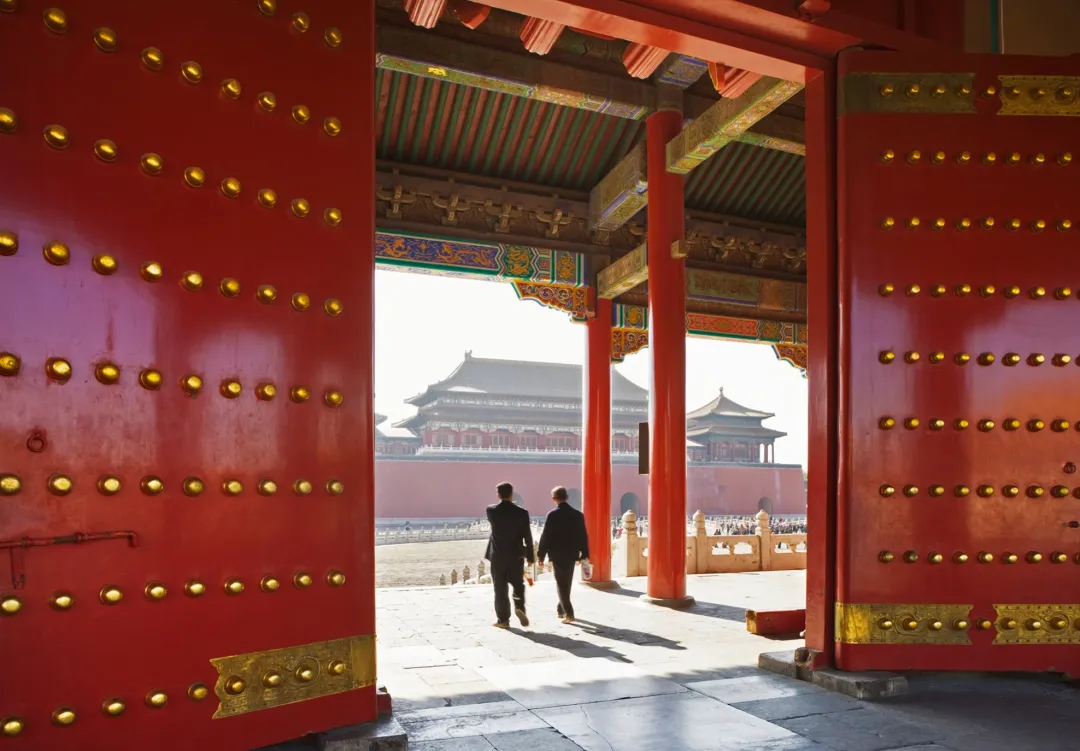
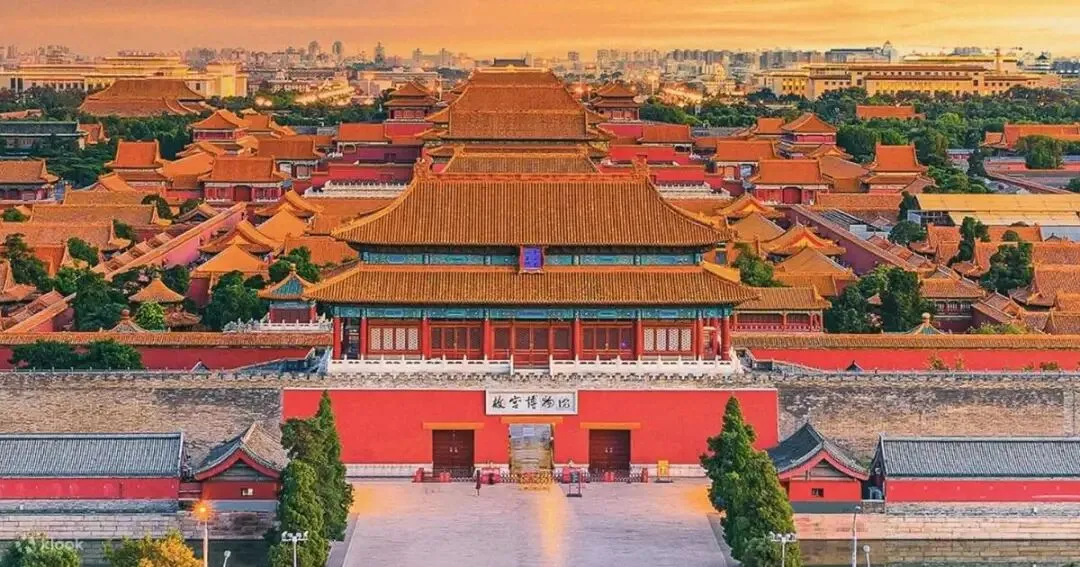
Forbidden City and Palace Museum: Beijing’s top historic attraction is the Forbidden City—the imposing, red-walled former residence of the emperor, which now houses the Palace Museum’s collection. To reach it, you must walk through vast Tiananmen Square, past the portrait and mausoleum of Mao Zedong, who still lies in state at its southern end.紫禁城与故宫博物院:北京首屈一指的历史景点是紫禁城,那座气势恢宏、红墙环绕的前皇家宫殿,如今收藏着故宫博物院的藏品。要抵达这里,你必须穿过广阔的天安门广场,经过毛泽东画像,他至今仍长眠于广场南端的纪念堂中。
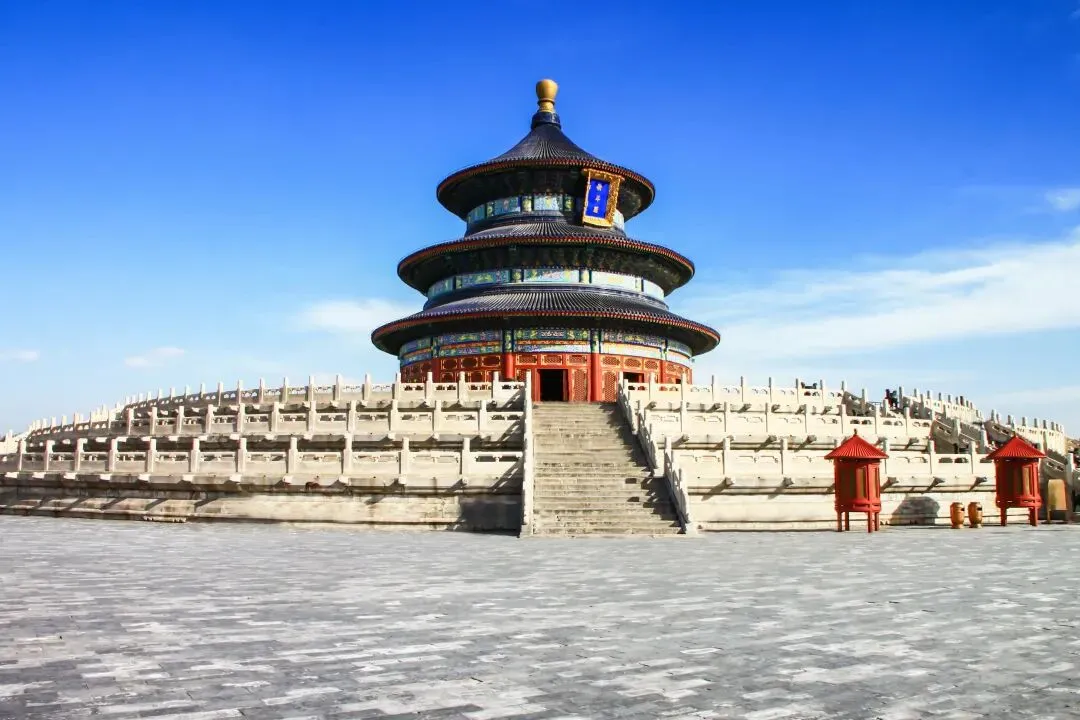
Temple of Heaven: The prayer hall of emperors, the Temple of Heaven was built in 1420 under the Ming dynasty as a ritual site for annual ceremonies during which the emperor would communicate with the divine, asking for bountiful harvests and favorable conditions for the nation. Today, the surrounding park has also become a gathering place for locals to play cards, dance, and practice qigong under the old cypress (柏树) trees.天坛:天坛是帝王祈愿的殿堂,建于1420年明朝时期,是皇帝举行年度祭祀仪式的场所,皇帝在此与上天沟通,祈求五谷丰登、国运顺遂。如今,周围的公园也成为当地人的聚集地,老柏树下有人打牌、跳舞、练气功。
Summer Palace: This former royal retreat was built around Kunming Lake and served as a cool escape for the emperor and his entourage during Beijing’s hottest months. Its hills, causeways (堤道), and shady pavilions (凉亭) still offer a welcome respite (喘息) from Beijing’s busy streets. Take a walk through the Long Corridor, where thousands of painted panels depict scenes from literature and mythology. You might spot locals practicing calligraphy by drawing on the ground with water.颐和园:这座昔日的皇家园林依昆明湖而建,是皇帝及其随行人员在京城酷暑时节的清凉避暑胜地。这里的山丘、堤岸和荫凉的亭台楼阁,至今仍是躲避北京繁忙街道的好去处。可以漫步长廊,廊上数千幅彩绘描绘着文学和神话场景。你也许能撞见当地人用水在地上练字。
Great Wall: Stretching some 13,000 miles across northern China, the Great Wall is the country’s most storied architectural feature and a world wonder. Some of the most popular sections drape (v 呈褶皱状) across the mountains north of Beijing in varying states of preservation. Located within the city, the Mutianyu and Juyongguan sections of the wall have joined Badaling and Simatai in holding warm-weather after-dark tours, with spectacular illuminations.长城:长城绵延约13,000英里,横贯中国北方,是中国最具传奇色彩的建筑奇观,也是世界奇迹。一些最受欢迎的长城段落以不同程度的保存状态横亘在北京以北的山峦之上。位于北京市内的慕田峪和居庸关段,已与八达岭和司马台一起,在温暖季节提供夜游项目,灯光璀璨,蔚为壮观。
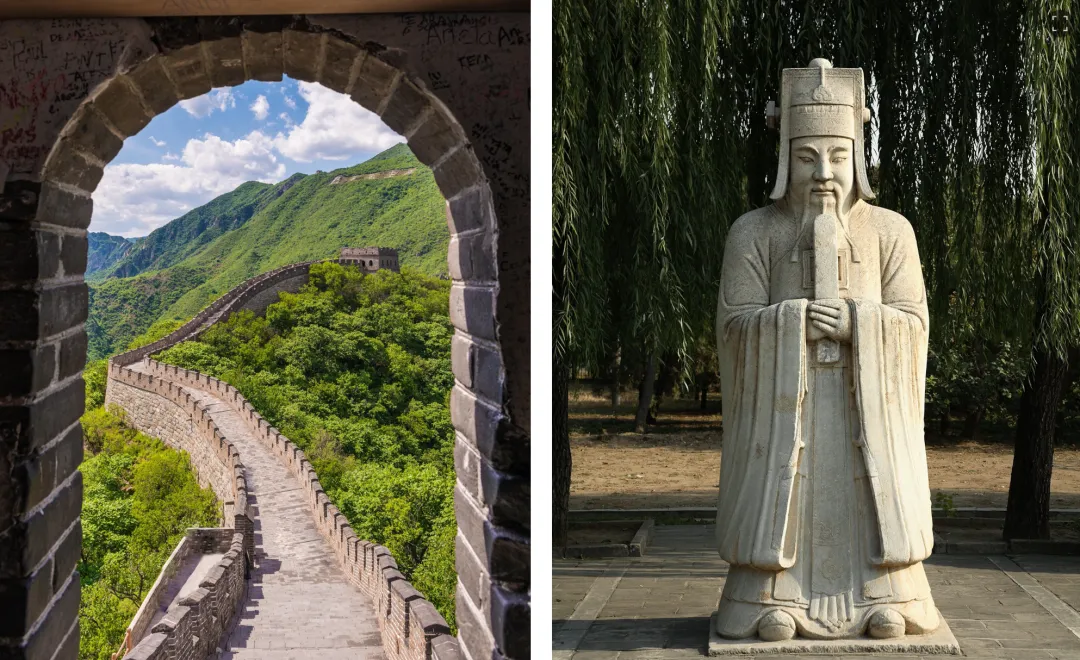
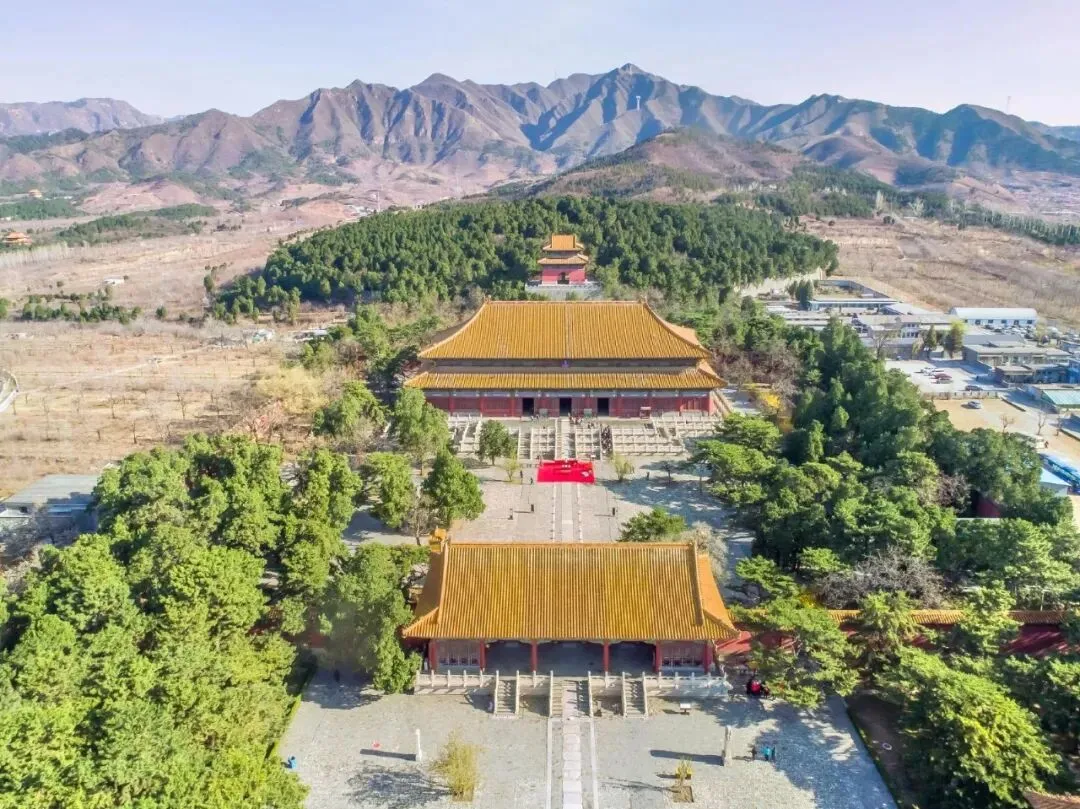
Imperial Tombs: The UNESCO-listed Imperial Tombs house the mausoleums of the Ming emperors around 30 miles northwest of Beijing, near Changping. The interiors of the tombs are more like burial palaces with court chambers and royal sarcophagi (石棺) adorned with statues and figurines of animals and important officials. In 2026, several previously closed tombs will be restored and open for the first time.明十三陵(皇陵):被列入联合国教科文组织世界遗产名录的明皇陵位于北京西北约30英里处的昌平附近,安葬着明朝历代皇帝。陵墓内部更像是地下宫殿,设有朝堂和皇家棺椁,装饰着动物和重要官员的雕像与陶俑。2026年,几个此前关闭的陵墓将修缮后首次开放。
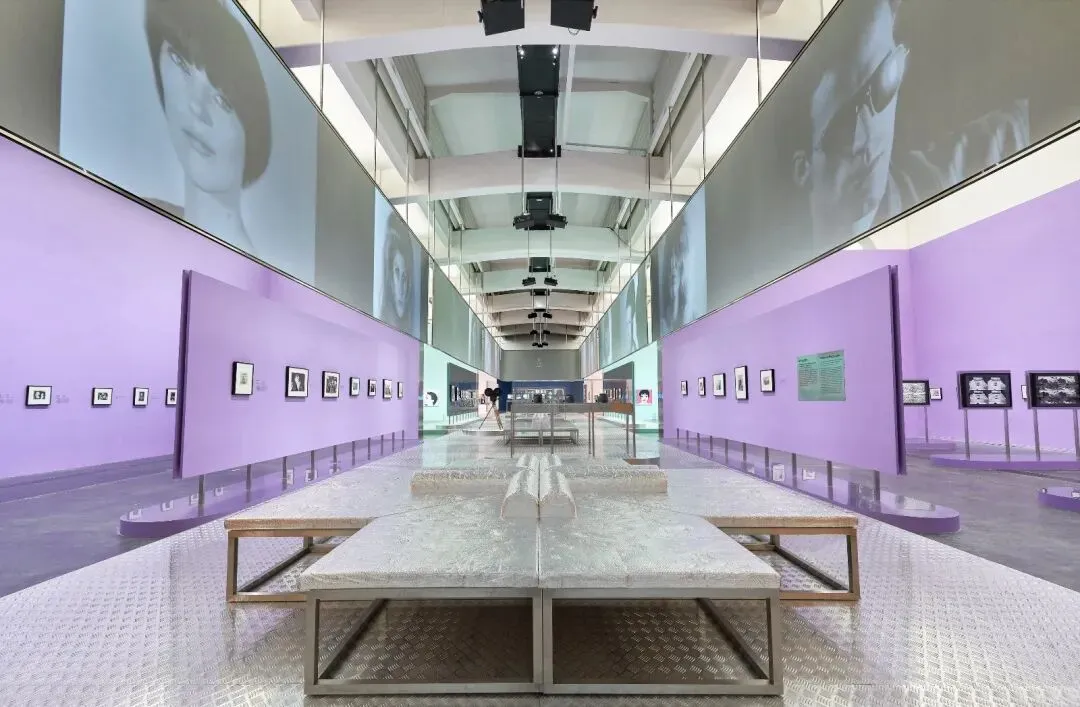
Contemporary art: Beijing’s contemporary art scene is anchored at the 798 Art District—a renovated Soviet-style factory where galleries fill repurposed warehouses. The newest addition, the IOMA Green Art Center, blends old and new with nature, including a striking, translucent metal facade out of which trees appear to grow. Meanwhile, prominent contemporary gallery M Woods is moving to a new location on Chaoyangmen Inner Street, into a 1921 heritage building designed by George Bouillard, chief engineer of the Pinghan Railway. 当代艺术:北京当代艺术圈的根据地是798艺术区,一个由苏联风格的旧厂房改造而成的艺术区,画廊遍布改建后的仓库。最新加入的IOMA绿色艺术中心将新旧与自然融合,其引人注目的半透明金属立面上仿佛生长出树木。与此同时,知名当代艺术馆木木美术馆正迁往朝内大街的新址,入驻一栋由京汉铁路总工程师乔治·布亚尔(George Bouillard)设计的1921年历史建筑。
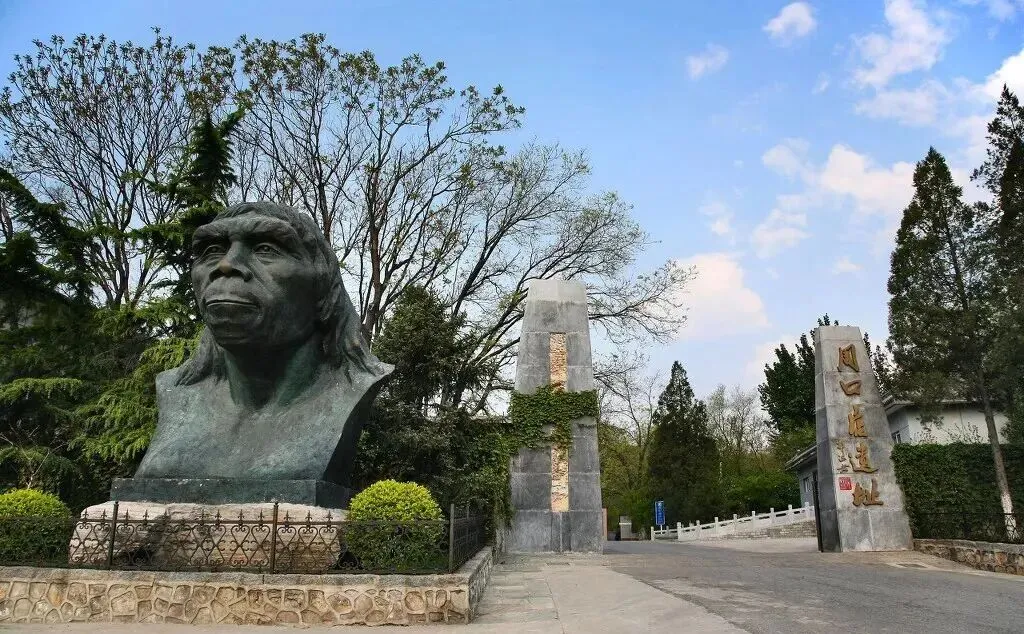
Zhoukoudian Peking Man Site: A new hiking route, the Xishan Peak Scenic Forest Trail, connects the sites at Zhoukoudian, where the fossils of Peking Man—our ancient primate ancestor—were discovered. The signposted hiking path travels over a series of limestone hills, between caves and fissures where Homo erectus lived 700,000 years ago. The trail connects up six newly built platforms that provide wide-open views of Beijing on a clear day.周口店北京人遗址:一条新的徒步路线,西山登峰观光森林步道,串联起周口店的各个遗址,北京猿人(我们古老的灵长类祖先)的化石正是在这里被发现的。这条有路标指示的步道翻越一系列石灰岩山丘,穿过70万年前直立人居住的洞穴和裂隙。步道连接起六个新建观景台,天气晴朗时可一览北京的开阔景致。
Hutongs: Narrow alleys formed by lines of courtyard homes, Beijing’s hutongs were first laid out during the Yuan dynasty as part of the city’s grid-like imperial plan. Many still reflect historical urban life, with preserved areas like Nanluoguxiang and Yandai Xiejie offering glimpses into the city’s layered social history. Renovations to several streets in the last decade have created busy shopping and street-food areas and have become some of Beijing’s most walkable areas. 胡同:胡同是由一排排四合院围成的狭窄小巷,最初在元朝作为城市网格状帝国规划的一部分而开辟。许多胡同至今仍保留着历史城市生活的面貌,南锣鼓巷、烟袋斜街等保护完好的街区让人得以窥见这座城市层层叠加的社会历史。过去十年间,几条街道的改造造就了热闹的商业和街头美食区,成为北京最适合步行的区域之一。
For good weather, spring and autumn are the best times to visit, although dust storms are common in March and April. Summers can be blisteringly hot and, in the winter, temperatures drop well below zero (though a snowy visit to the Great Wall is romantic). Avoid traveling during busy holidays like Spring Festival in February, Tomb Sweeping Festival in April, and the week-long public holidays in May and October.天气好的话,春秋两季是最佳游览时间,不过三四月常有沙尘暴。夏天可能酷热难耐,冬天则气温远低于零度(不过雪中游览长城别有一番浪漫)。请避开繁忙的节假日出行,如二月的春节、四月的清明节,以及五月和十月的黄金周长假。
Da Dong Roast Duck: There’s an ongoing debate about which restaurant serves the best roast duck—Beijing’s namesake dish since the Yuan dynasty—but Da Dong is always a solid choice. Since opening in 1985, they have been serving their signature duck, roasted in a special round oven until the skin is crispy and the meat is juicy, then wrapped in a delicate pancake.大董烤鸭:关于哪家餐厅的北京烤鸭最好,这道自元朝以来就以北京命名的名菜,争论从未停止,但大董始终是一个稳妥的选择。自1985年开业以来,大董一直以特制的圆形烤炉烤制招牌烤鸭,烤至皮脆肉嫩,再用薄如蝉翼的饼皮卷食。

Mansion Cuisine by Jingyan: Set in a renovated siheyuan (courtyard home), this Michelin-starred restaurant serves imperial Beijing dishes rendered with contemporary style, including Peking duck prepared three different ways, such as with caviar or truffle. Ingredients are selected seasonally and rotate with the lunar calendar.京宴·府邸菜:这家米其林星级餐厅坐落于一栋修缮过的四合院中,以当代风格呈现帝都北京菜,包括以三种不同方式烹制的北京烤鸭,比如配鱼子酱或松露。食材按季节甄选,并随农历节气轮换。
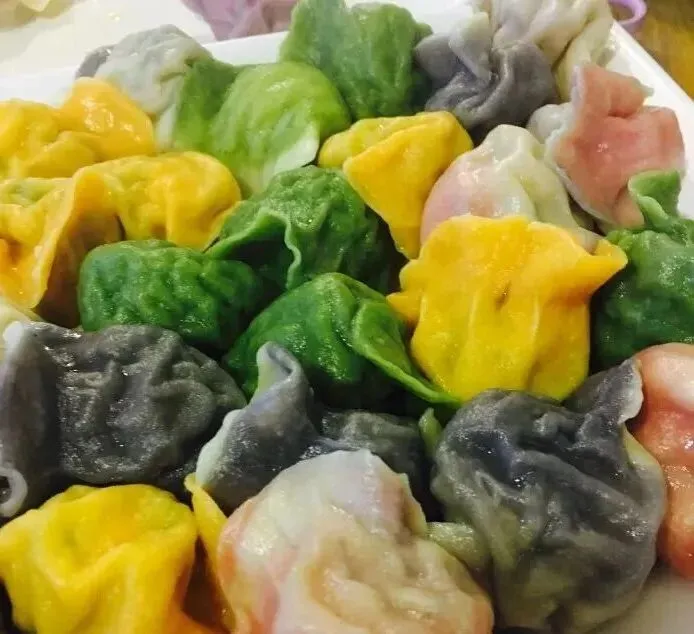
Baoyuan: This popular dumpling restaurant in Chaoyang serves northeastern-style dumplings in a rainbow of colorful vegetable-dyed wrappers shaped like yuanbao—units of imperial currency. Fillings range from traditional pork to unconventional options like kung pao chicken, and there is a range of vegetarian options, including smoked tofu, egg, and mushroom.宝源饺子:这家位于朝阳区的热门饺子馆供应东北风味饺子,彩色蔬菜汁染成的饺子皮色彩斑斓,包成元宝形状,元宝是古代的货币单位。馅料从传统的猪肉到不走寻常路的宫保鸡丁应有尽有,还提供多种素食选择,如熏豆腐、鸡蛋和蘑菇。
Slow Boat Baitasi Taproom: Slow Boat is one of Beijing’s most popular craft breweries, and its newest taproom (酒吧) occupies a renovated two-story hutong space overlooking Miaoyang Temple’s giant white pagoda (宝塔). Huge picture windows on the upper floor offer panoramas of the pagoda while you eat Chinese takes on beer food, like spicy fried “ghost chicken,” Guizhou-pepper-rubbed corn on the cob, or the Xicha burger, garnished with pickled dragon beans. Wash it down with one of Slow Boat's house beers—the creamy, citrusy Moon Jelly Double IPA has won multiple beer fest awards.悠航鲜啤白塔寺酒馆:悠航是北京最受欢迎的精酿啤酒品牌之一,其最新酒馆占据了一栋翻新的两层胡同空间,俯瞰妙应寺巨大的白色佛塔。二楼巨大的落地窗让你在品尝中式下酒菜的同时欣赏佛塔全景,比如香辣炸鸡"鬼鸡"、贵州椒盐烤玉米,或配腌龙豆的"西茶汉堡"。再配上一杯悠航的自酿啤酒,奶油般顺滑、带有柑橘香气的"Moon Jelly Double IPA"曾多次在啤酒节上获奖。
The Orchid: Set in a refurbished hutong home north of the Drum Tower, the Orchid has just 15 rooms within its vine-draped courtyard, where stone walkways lead through round moon gates, recalling a classical Chinese garden. Each room is unique with natural wood furnishings, cotton linens, hardwood floors, and teak window screens; some also have mezzanine (夹层) beds. The Orchid’s rooftop restaurant serves Mediterranean cuisine at tables overlooking tiled hutong roofs, and there is also a hidden-away whiskey bar and a bakery.The Orchid(兰花宾馆):这家宾馆位于鼓楼以北一栋翻新的胡同老宅中,藤蔓缠绕的庭院内仅有15间客房,石板小径穿过圆形月亮门,让人想起古典中式园林。每间客房都独一无二,配有原木家具、棉质床品、硬木地板和柚木窗棂;部分房间还设有夹层床。宾馆屋顶餐厅供应地中海美食,餐桌可眺望灰瓦铺就的胡同屋顶,另有一家隐秘的威士忌酒吧和一家面包房。
Read and Rest Hotel: This affordable hotel is minimalist and clean, with an enviable location, three minutes’ walk from Beixin Bridge subway station and surrounded by hutong eateries, coffee shops, restaurants, and cafes. As its name suggests, the hotel is themed around magazines and is designed with a calming aesthetic characterized by stone floors, plaster walls, big windows, light wood, and picture windows. There is a library to hang out in with reading nooks and a selection of magazines. Read and Rest Hotel(念念行旅):这家平价酒店风格简约干净,地理位置令人羡慕,步行三分钟即到北新桥地铁站,四周环绕着胡同餐馆、咖啡店、餐厅和咖啡馆。正如其名,酒店以杂志为主题,采用宁静的设计风格,石质地板、灰泥墙面、大窗户、浅色木材和观景窗。酒店内设有图书馆,有阅读角和各类杂志可供翻阅。
The PuXuan: This luxury hotel is within walking distance of Beijing’s sightseeing core near Tiananmen Square. Rooms range from the simple to large studios and two-bedroom suites with dual-aspect windows overlooking the Forbidden City, all with minimalist, contemporary Asian decor. The spa offers tailored wellness and skincare treatments, and there are several restaurants, including Michelin-starred Fu Chun Ju, which serves elegant Cantonese cuisine.璞瑄酒店:这家豪华酒店位于天安门广场附近的北京观光核心区,步行可达。客房从简约房型到大型开间和双卧套房不等,双层朝向的窗户可眺望紫禁城,全部采用极简的当代亚洲风格装饰。水疗中心提供定制健康与护肤护理,酒店内设多家餐厅,包括米其林一星的富春居,供应精致的粤菜。
International flights arrive at Beijing Capital (PEK) and Daxing (PKX) airports—Daxing is newer and bigger, but Capital offers the best connections to the city viaAirport Express trains. Beijing is well served by its extensive subway system and city buses, including a new hydrogen-powered bus fleet. For tickets, download the Alipay and WeChat apps to generate QR codes you scan at the gate on your phone.国际航班抵达北京首都国际机场(PEK)和大兴国际机场(PKX),大兴机场更新、更大,但首都机场凭借机场快轨提供最好的市区接驳。北京的地铁系统和市内公交(包括新投运的氢能源巴士车队)四通八达,出行十分便利。购票可下载支付宝和微信应用,在闸机口扫描手机生成的二维码即可。
Taxis are affordable and can be hailed at official ranks or via an app. Most people use the ubiquitous local car-hailing appDidi Chuxing. Self-service shared bicycles can be found on every street corner. Extreme traffic and local driver's license regulations make it almost impossible for international visitors to rent a car, but public transport is cheap, safe, clean, and plentiful.出租车价格实惠,可在正规出租车站点打车,也可通过应用程序叫车。大多数人使用无处不在的本地打车应用滴滴出行。自助式共享单车在街头巷尾随处可见。由于北京交通极为拥堵,加上本地的驾照管理规定,国际游客几乎不可能租到车,但公共交通便宜、安全、干净且班次密集。
Due to Beijing’s sprawling size, it’s not practical to walk everywhere, but some districts are highly walkable, particularly the atmospheric, low-rise hutong alleyways around the Bell and Drum Towers and the scenic Shichahai neighborhood, with its lakeside parks and nightlife.由于北京地域辽阔,步行游览全城并不现实,但某些区域非常适合步行,尤其是鼓楼和钟楼周边氛围浓厚的低层胡同小巷,以及风景如画的什刹海街区,那里有湖畔公园和夜生活场所。