
“第十二届世界旅游经济论坛・澳门”举办 | 何超琼作闭幕总结发言
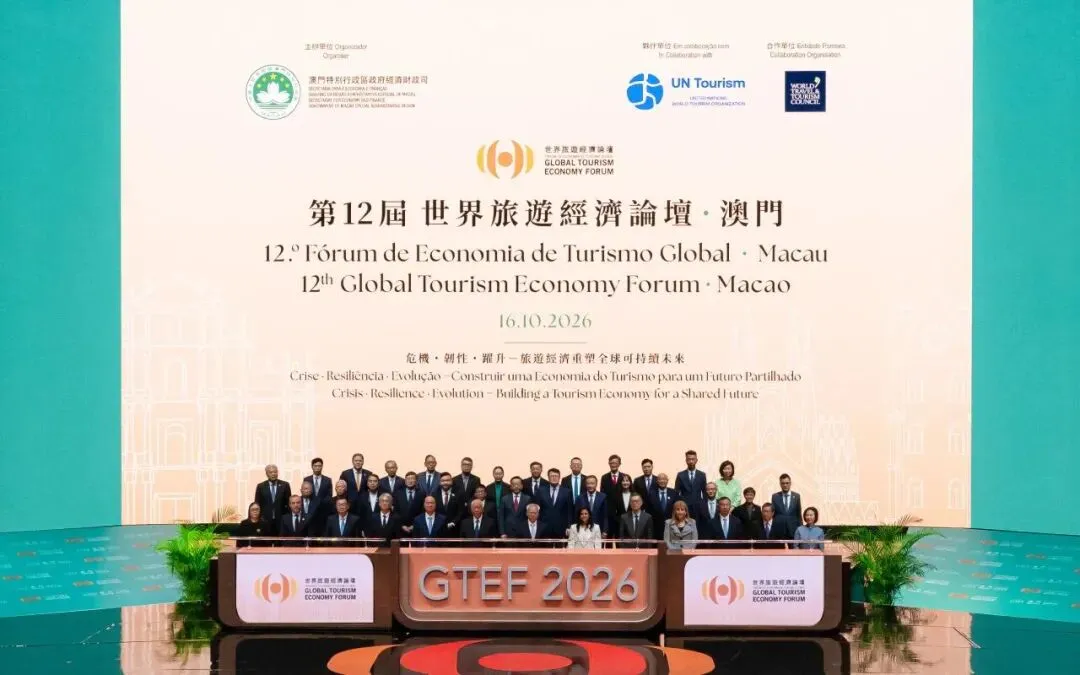
“第十二届世界旅游经济论坛·澳门”16日在此间举行。本届论坛以“危机·韧性·跃升——旅游经济重塑全球可持续未来”为主题,会聚海内外旅游业及关联产业代表等,探讨全球旅游经济发展的新趋势、新机遇及新挑战。
全国政协副主席、世界旅游经济论坛大会主席何厚铧,澳门特区行政长官岑浩辉,澳门中联办主任郑新聪,外交部驻澳门特派员公署署理特派员程雷,海南省委常委、常务副省长巴特尔,联合国世界旅游组织秘书长谢哈·阿尔·诺瓦伊斯,欧洲旅游委员会主席、西班牙国家旅游局局长米格尔·桑斯,世界旅游联盟主席张旭,中国旅游协会秘书长葛磊等嘉宾出席开幕典礼。
何厚铧致辞表示,旅游业不仅是拉动经济增长的引擎,更是落实可持续发展目标、凝聚全球共识、促进文明互鉴的关键载体。站在新的历史起点上,论坛定当不负国家所托,以澳门为枢纽,凝聚世界各地文旅业界力量,为推动全球旅游经济可持续发展作出新的更大贡献。
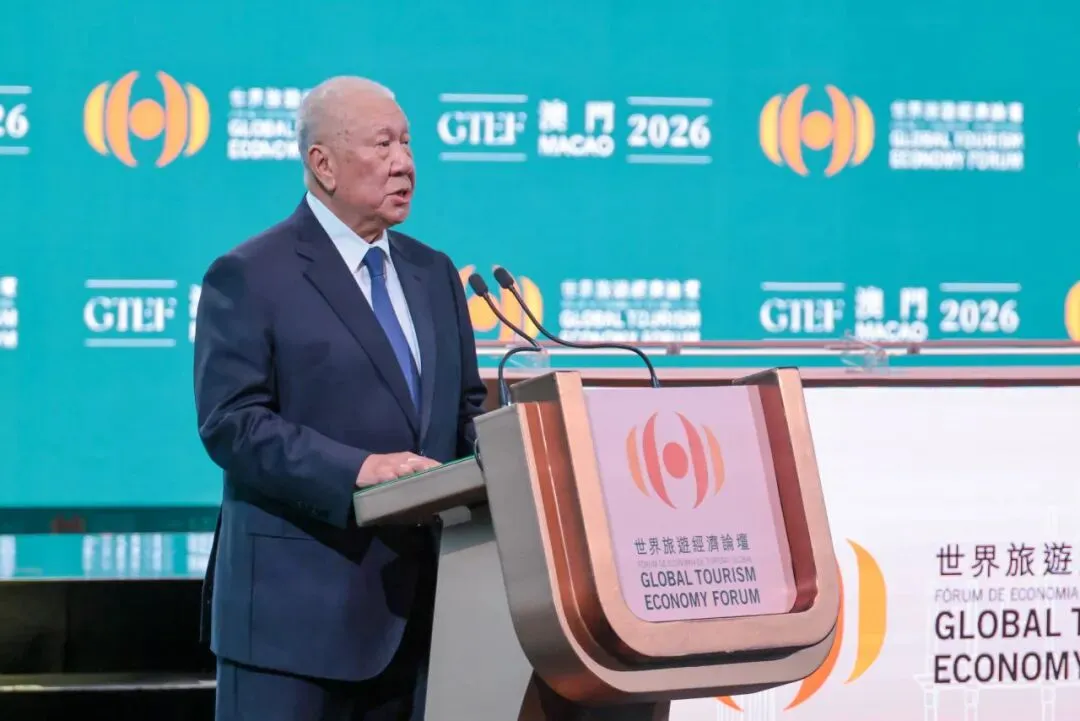
全国政协副主席、世界旅游经济论坛大会主席何厚铧致辞
岑浩辉致辞表示,去年访澳旅客突破4000万人次,创历史新高,“旅游﹢”新业态迸发强大活力,国际化、多元化发展加速推进。期望通过论坛汇聚全球智慧、共谋合作,既为澳门自身发展提供助力,也为全球旅游经济高质量发展注入新动能,共同迈向更具韧性及可持续的未来。
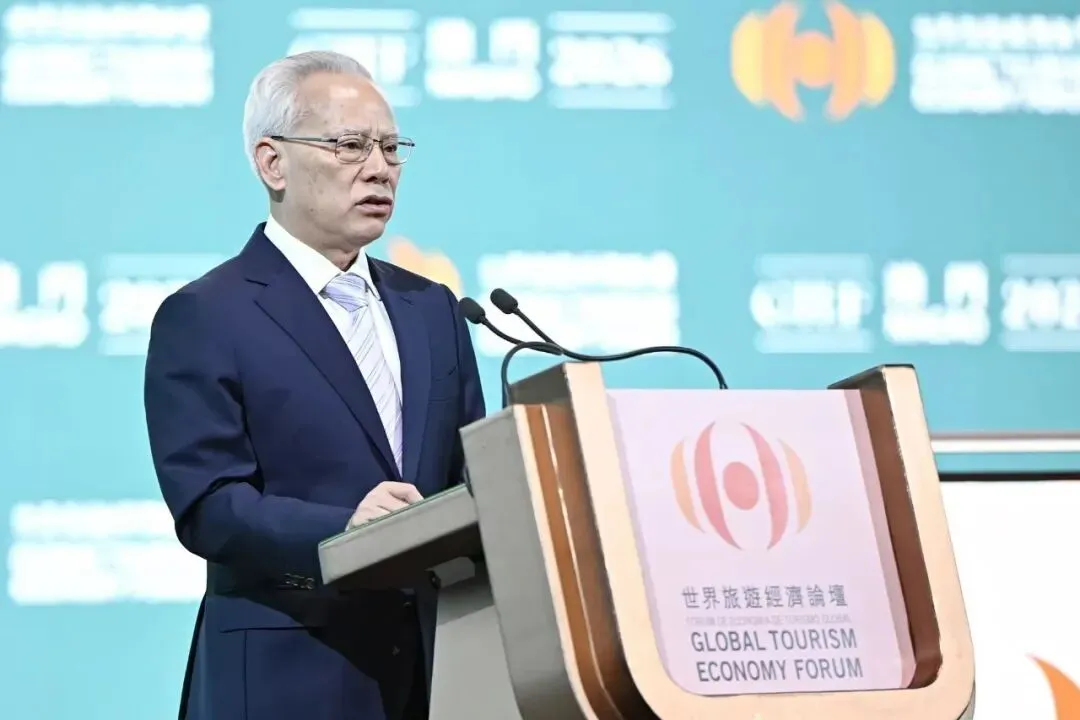
澳门特别行政区行政长官岑浩辉致辞
诺瓦伊斯致辞表示,中国是全球旅游业的超级大国,中国所展现的领导力也有助于塑造全球议程。联合国大会将2027年定为“可持续与韧性旅游国际年”,中国能在其中发挥关键作用。
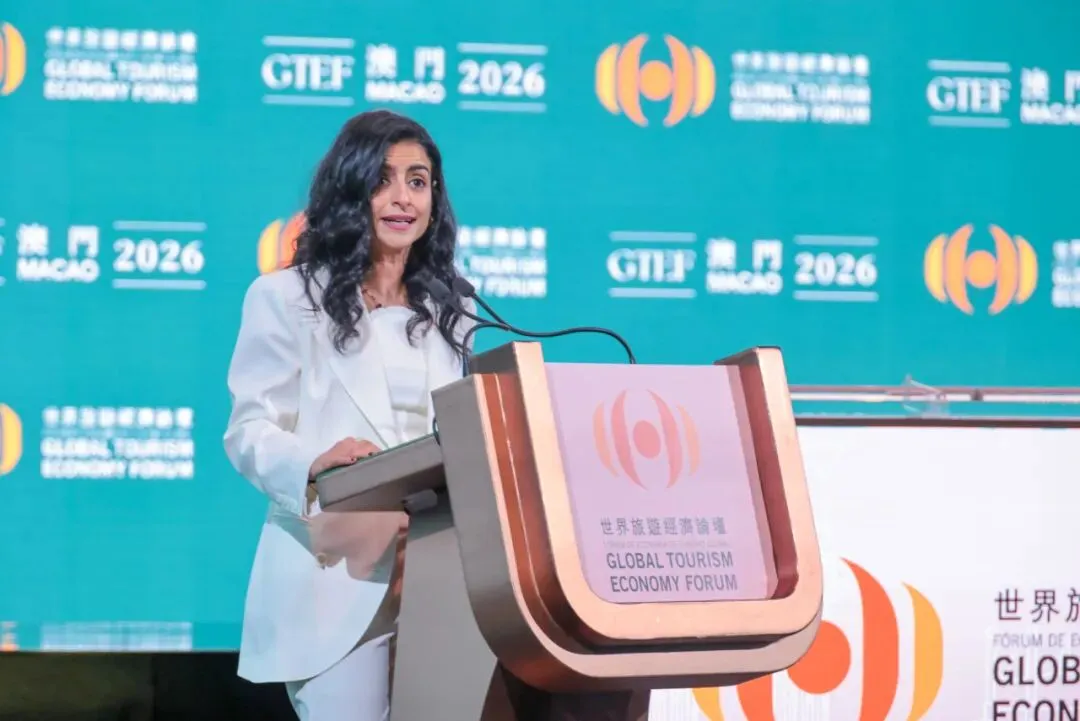
联合国世界旅游组织秘书长谢哈·阿尔·诺瓦伊斯(Shaikha AL NUWAIS)致辞
本届论坛内容丰富,并特别安排考察澳门、横琴粤澳深度合作区,推动产业合作、项目对接。论坛邀请西班牙担任合作国家、海南省作为主宾省。
世界旅游经济论坛由澳门特区政府经济财政司主办,联合国世界旅游组织为伙伴单位,世界旅游经济研究中心筹办。自2012年于澳门创办以来,已成为全球文旅高层对话与多边合作的重要平台。
论坛闭幕式上,世界旅游经济论坛副主席兼秘书长何超琼发表闭幕致辞。以下为致辞全文:
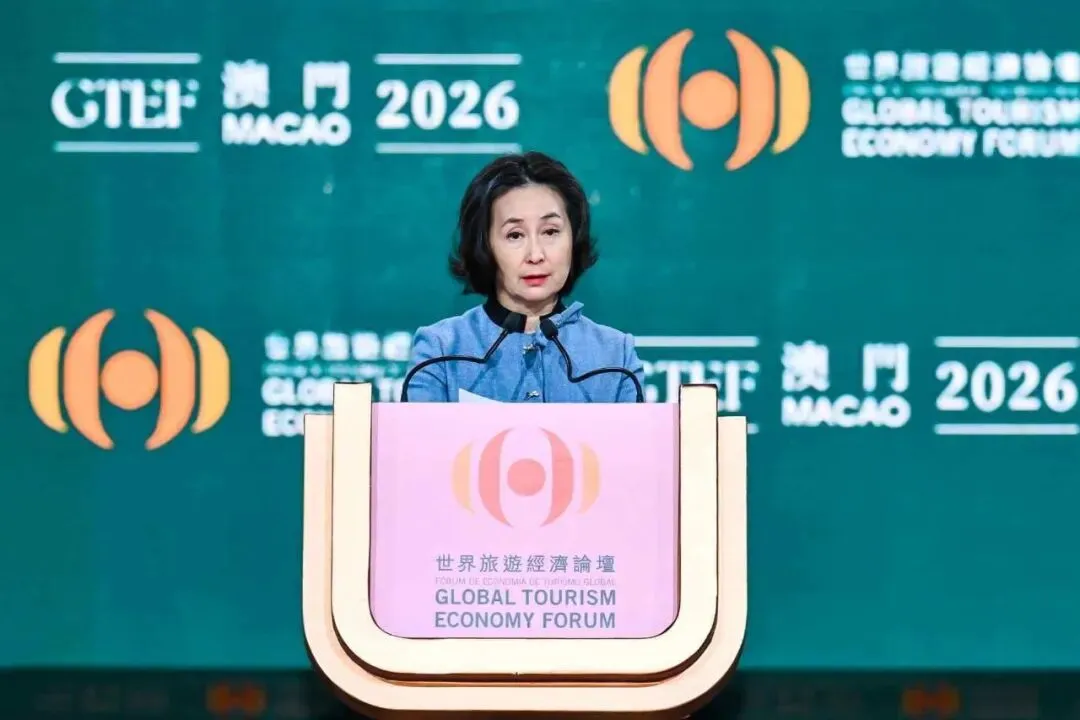
世界旅游经济论坛副主席兼秘书长、中国旅游协会企业家工作委员会顾问委员何超琼致辞
何超琼在2026世界旅游经济论坛闭幕式上的致辞
尊敬的各位嘉宾、亲爱的朋友们、女士们、先生们:
Distinguished guests, dear friends, ladies and gentlemen,
第十二届世界旅游经济论坛即将闭幕。我们正站在2027年的门槛上——2027年是联合国可持续和韧性国际旅游年。
As we close the 12th Global Tourism Economy Forum, we stand on the threshold of 2027—the UN International Year of Sustainable and Resilient Tourism.
过去两天,我们探讨了最紧迫的议题:我们如何定义并构建旅游韧性?
历史经验和我们的讨论都表明,韧性不会凭空产生。危机迫使我们适应变化、建立新的伙伴关系、释放新的价值。有韧性的旅游业,绝不会在闭门造车中发展。
在中国,“旅游+”推动旅游与文化、科技、康养、体育等深度融合。在澳门,我们以建设世界旅游休闲中心为目标,以“1+4”适度多元发展策略为路径,推动旅游与大健康、现代金融、高新技术、会展商贸、文化体育等重点产业协同发展——这是跨行业融合缓冲风险的生动蓝图,也是单一产业无法独自实现的。
各位演讲嘉宾共同起草了一份全球路线图,推动旅游业从危机走向韧性,再迈向跃升,并将其提炼为四大核心支柱。
Over these two days, we have tackled our most urgent proposition: How do we define and build tourism resilience?
History and our discussions show that resilience does not emerge in a vacuum. Crisis compels us to adapt, forge new partnerships, and unlock new value. Resilient tourism never develops behind closed doors.
In China, “Tourism Plus” deeply integrates travel with culture, technology, wellness, and sports. And here in Macao,our “1+4”diversification strategy is a living blueprint of this approach—proving that cross-sector integration buffers against risks in ways no single-track industry could achieve alone.
Together, our speakers have drafted a global roadmap to move from Crisis, through Resilience, to a Leap Forward— distilled into four core pillars.
01 价值层面:和平与人文纽带是基石
面对地缘政治逆风,杰弗里·萨克斯教授提醒我们,东西方并非注定冲突。他回顾马可·波罗的旅程时指出,通往和平最可靠的道路,在于人与人之间的相遇:
“我们所到之处,都受到难以置信的善意、盛情款待与和平精神的接待……这正是21世纪旅游为我们带来的——帮助世界走向和平、合作,并彼此欣赏和学习对方的文化与历史。”
而人与人之间的连接,需要包容性增长。正如龙永图先生所强调,中国以人民为中心的旅游,旨在“实现兼顾经济效率与社会价值的共享效益和包容性增长”,并由医疗康养、美食和生态修复驱动。
First, at the value level: Peace and people-to-people bonds are the bedrock of Sustainable and Resilient Tourism.
Facing geopolitical headwinds, Professor Jeffrey Sachs reminded us that East and West are not fated to clash.
Recalling Marco Polo’s journey, he noted that the surest road to peace runs through human encounters:
“Everywhere we went, we were received with incredible goodwill, great hospitality, and the spirit of peace... This is what tourism of the 21st century holds for us—helping to bring together a world that is peaceful, cooperative, and enjoying and learning from each other’s cultures and histories.”
And human connection requires inclusive growth. As Mr. Long Yongtu emphasized, China’s people-centered tourism is about "achieving shared benefits and inclusive growth that balances economic efficiency with social value"— driven by medical wellness, gastronomy, and ecological restoration.
与此相呼应,我们的“通往2027之路”专题讨论强调现实世界中的连接、能够驱动韧性——例如韩国旅行者寻求“像当地人一样生活”。讨论嘉宾主张从追求数量转向创造价值,以支撑了多少生计、保护了多少遗产来衡量成功。从马来西亚的乡村民宿,到私营部门赋能本地人拥有自己的文化资产,全生态增长正在让共享效益成为现实。
Echoing this, our “Road to 2027”panel underscored that real-world connection—like travelers in Korea seeking to "live like a local"—drives resilience. Panelists championed shifting from volume to value, measuring success by livelihoods supported and heritage preserved. From Malaysia’s rural homestays to private sectors empowering locals to own their cultural assets, ecosystem-wide growth is making shared benefits a reality.
02 宏观经济层面:开放是高价值复苏的催化剂
格洛丽亚·格瓦拉女士和王新军先生提供的翔实数据表明,中国旅游业表现优于全球平均水平,正在推动国际旅游复苏。
驱动力是政策创新——具体而言,是免签政策。2026年上半年,免签入境外国人达1781.5万人次,占入境外国人总数的77.7%,同比上升30.6%。
此外,中国正从数量型增长转向价值型发展。中国旅游经济规模达1.8万亿美元,今年年初旅行服务出口增长超过31%,证明制度性开放是抵御宏观经济逆风最有力的解药。
本届论坛的合作伙伴国西班牙正是这种双向开放的典范。正如米格尔·桑斯·卡斯特多先生所分享,航空运力增长40%——达到每周87班——以及一周内完成签证处理,正在推动双向需求。
2025年,约79.5万中国游客到访西班牙,在当地消费约22亿欧元;2026年又增长约30%。与此同时,越来越多西班牙人开始发现中国。我们正在打造一条充满活力的双向旅游走廊,我们GTEF希望在全球推广这一模式。
Second, at the macroeconomic level: Openness is the catalyst for high-value recovery.
Compelling data from Ms. Gloria Guevara and Mr. Wang Xinjun proved that China’s tourism is outperforming global averages, driving international recovery.
The driver is policy innovation—specifically, visa-exemption. Building on 14 million visa-free arrivals in 2025, the first half of 2026 surged over 30% to 17.81 million—nearly 78% of all foreign arrivals.
Moreover, China is transitioning from volume to value. With a US$1.8 trillion GDP contribution and travel service exports up over 31% early this year, China proves that institutional openness is the strongest antidote to macroeconomic headwinds.
Our Partner Country, Spain, exemplifies this reciprocal openness. As Mr. Miguel Sanz Castedo shared, a 40% surge in air capacity—to 87 weekly flights—and under-one-week visa processing are fueling two-way demand.
With 800 thousand Chinese visitors generating US$2.5 billion in Spain in 2025—and growing another 30% in 2026— alongside more Spaniards discovering China, we are forging a dynamic, two-way tourism corridor that we hope to replicate worldwide.
03 目的地层面:韧性根植于本地特色与活态遗产
韧性根植于本地特色、活态遗产和以人为本的场景,并由中国的文化自信和高质量发展驱动。
为了让旅行者愿意多次到访,阿那亚国际文化公司联席总经理郭少昕女士分享了一个精彩指标:“我们的目标不是让100个人来一次,而是激励一个人来100次。”通过当代艺术和社区生活方式,目的地正在建立深厚的情感共鸣。
传统根脉也正在被重新激活。从邱凯先生分享的实践看,可以提炼出“新中式旅游”的路径:既尊崇我们五千年的文化遗产,又精于“文化转译”。把历史、习俗和非物质遗产转化为沉浸式体验——例如大唐夜游——就是将传统美学转译为旅行者可以步入其中的生活场景。
这种真实的活力也在体育中闪耀。从霍启山先生和王毅伟先生分享的NBA中国赛,到“村BA”和“村超”这样的基层嘉年华,中国乡村的民族传统和未经编排的待客热情,正在激发巨大的文化和经济活力。
这些例子共同将关注点从单纯的人流量,转向文化深度、精神满足和共同繁荣。
Third, at the destination level: Resilience is rooted in local identity, living heritage, and human-centric scenes— driven by Chinese cultural confidence and high-quality development.
To keep travelers returning, Aranya’s Mr. Guo Shaoxin shared a brilliant metric: "Our goal is not to get 100 people to come once, but to inspire one person to come 100 times." Through contemporary art and community lifestyle, destinations are building deep emotional resonance.
Traditional roots are also being revitalized. Mr. Qiu Kai noted that "New Chinese-style Tourism" reveres our five- thousand-year heritage while mastering "cultural translation." Turning history, customs, and intangible heritage into immersive experiences—like Tang Dynasty night tours—translates traditional aesthetics into living scenes travelers can step right into.
This authentic vitality also shines in sports. From the NBA China Games shared by Mr. Eric Fok and Mr. Wang Yiwei, to grassroots carnivals like “Village BA” (村 BA) and “Village Super League” (村超), rural China’s ethnic traditions and unscripted hospitality are igniting massive cultural and economic vitality.
Together, these examples shift the focus from mere foot traffic to cultural depth, spiritual fulfillment, and shared prosperity.
04 面向未来:技术跨越必须回归人文精神
展望未来,技术跨越需要开放生态、全球互联,并回归人文精神。
Amadeus旅游业务总裁德西乌斯·瓦尔莫尔比达先生以成长型思维看待人工智能。他指出,围绕旅行者需求的“循环轨道”重构旅行,“不只是技术转型——更是人的转型”。
开放技术必须赋能于人,让人“多些人文,少些自动化”——聚焦真诚待客,同时将中国世界级的基础设施和文化“硬件”,与全球标准的“软件”相连接。
归根结底,旅游仍然是一段人的旅程。俞敏洪先生分享了他最近访问克罗地亚马可·波罗据称出生地的经历,并反思道:虽然AI可以轻易跨越“语言障碍”,但仅靠技术无法跨越“人心壁垒”。
俞先生提醒我们,不要只是在每个人生阶段“买一张票去看一个景点”,而应认识到:“旅行本身是一种生活方式、一种学习、一种觉醒,最重要的是,一种深刻的连接。”
连接历史、文化和人,并培养相互包容——开阔人心,仍然是旅游不可替代的价值。
今天传递出一个明确信息:绿色转型不是负担,而是可规模化的机遇。它既呼应年轻旅行者的期待,也让价值留在当地社区。
埃莱娜·昆图拉女士在介绍欧洲即将出台的可持续旅游战略时指出,韧性要求将绿色出行和气候行动与社区福祉相协调。可持续旅游既为被访问地保护环境,也丰富游客的体验。通过定期交流,今天的思想将成为明天的实践。
很快,我们将拥有一块令人期待的新画布。我很高兴地分享,海南正在积极争取于2027年主办世界旅游经济论坛——这是我们伙伴关系不断成长的证明。
带着这一势头,我向大家提出一个挑战:与其只修复既有损害,不如在海南相聚时回归初心,我们的“初心”是拥抱“绿色与蓝色旅游”。
海南青山碧海,最珍贵之处在于真实,邀请世界“来看看真实的我”。作为一片净土,我们能否将其打造为“无痕、保护优先的旅游”典范——提升自然而不破坏其灵魂,以预见性的守护代替事后的弥补?
今天我不给大家答案,而是请在座每一位领导者深入思考如何实现这种绿色与蓝色的平衡。我期待在海南听到你们富有远见的答案!
Fourth, looking ahead: Technological leapfrogging requires open ecosystems, global connectivity, and a return to the human spirit.
Viewing AI with a growth mindset, Mr. Decius Valmorbida of Amadeus noted that rewiring travel around a "looping orbit" of traveler needs is "more than a technology transformation—it is a human transformation." Open tech must augment people to do "more of the human and less of the automation"—focusing on true hospitality while connecting China’s world-class infrastructure and cultural "hardware" with the "software" of global standards.
Ultimately, tourism remains a human journey. Sharing his recent visit to Marco Polo’s reputed birthplace in Croatia, Mr. Yu Minhong reflected that while AI easily overcomes "barriers of language," technology alone cannot overcome "barriers ofthe human heart."
Moving beyond simply "buying a ticket to see a sight" across every life stage, Mr. Yu reminded us that "travel itself is a way of life, a form of learning, an awakening, and above all, a profound connection."
Connecting history, culture, and people—and cultivating mutual tolerance—broadening the human heart remains the irreplaceable value of tourism.
Distinguished guests, One message today is clear: going green is not a burden, but a scalable opportunity that resonates with young travelers and keeps value within local communities.
Outlining Europe’s forthcoming Strategy on Sustainable Tourism, Ms. Elena Kountoura noted that resilience requires aligning green mobility and climate action with community well-being. Sustainable tourism protects the environment for the visited, while enriching the experience for the visitor. Through regular exchange, today's ideas become tomorrow's practice.
Soon, we will have an exciting new canvas. I am pleased to share that Hainan is actively pursuing hosting GTEF in 2027—a testament to our growing partnerships.
With this momentum, I leave you with a challenge.
Rather than just fixing existing damage, gathering in Hainan invites us to return to our original aspiration—our chuxin (初心)—and embrace "Green and Blue Tourism." With lush mountains and pristine oceans, Hainan’s luxury is its authenticity—inviting the world to "come and see me for who I am." As an untouched sanctuary (一片淨土), can we make it a model for "trace-free, preservation-first tourism"—enhancing nature without destroying its soul, rather than disrupting it only to repair it later?
Instead of giving you the answer today, I challenge every leader here to think deeply about achieving this Green and Blue balance—and I look forward to your visionary answers in Hainan!
最后,我衷心感谢澳门特别行政区政府、联合国旅游组织、世界旅游及旅行理事会以及各支持机构;感谢西班牙和海南;感谢我们慷慨的赞助商和合作伙伴;感谢每一位演讲嘉宾、主持人和代表;感谢世界旅游经济论坛秘书处和整个团队,让本届论坛得以成功举办。
迈向2027年,让我们带着共同的希望,并承诺继续携手前行。
让今天成为我们下一轮对话的起点,进一步深化澳门在连接世界中的作用。
谢谢大家。
Finally, my sincere gratitude to the Macao SAR Government, UN Tourism, WTTC, and our supporting organizations; to Spain and Hainan; to our generous sponsors and partners; to every speaker, moderator, and delegate; and to the GTEF Secretariat and our entire team for bringing this Forum to life.
Moving toward 2027, let us take away shared hopes and a commitment to keep walking together.
Let today be the start of our next dialogue, deepening Macao's role in connecting the world. Thank you all.


相关文章
发表评论
评论列表
- 这篇文章还没有收到评论,赶紧来抢沙发吧~